CONCACAF's Hidden Gems: Why Smart Clubs Are Mining Gold Cup Talent While Europe Looks Elsewhere
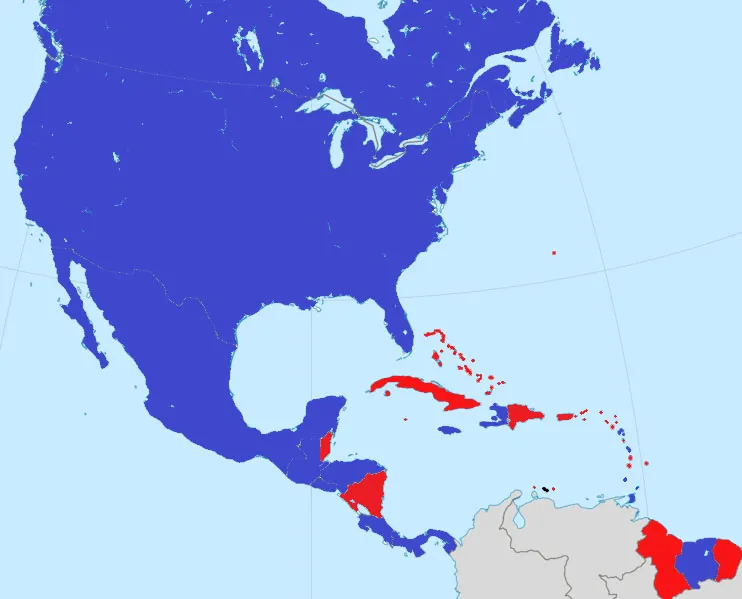
While Europe's transfer market spirals into financial madness with €100 million becoming the new normal, a quiet revolution is taking place in recruitment departments across the continent. Smart clubs are turning their attention to CONCACAF—North America, Central America, and the Caribbean's football confederation—where technically gifted players with perfect commercial appeal for the US market can still be found at sensible prices.
The 2026 Gold Cup has become an unlikely scouting bonanza, with European clubs dispatching talent identification teams to track players who cost a fraction of their South American or European counterparts while offering similar technical ability and significantly higher marketing potential in America's rapidly growing soccer market.
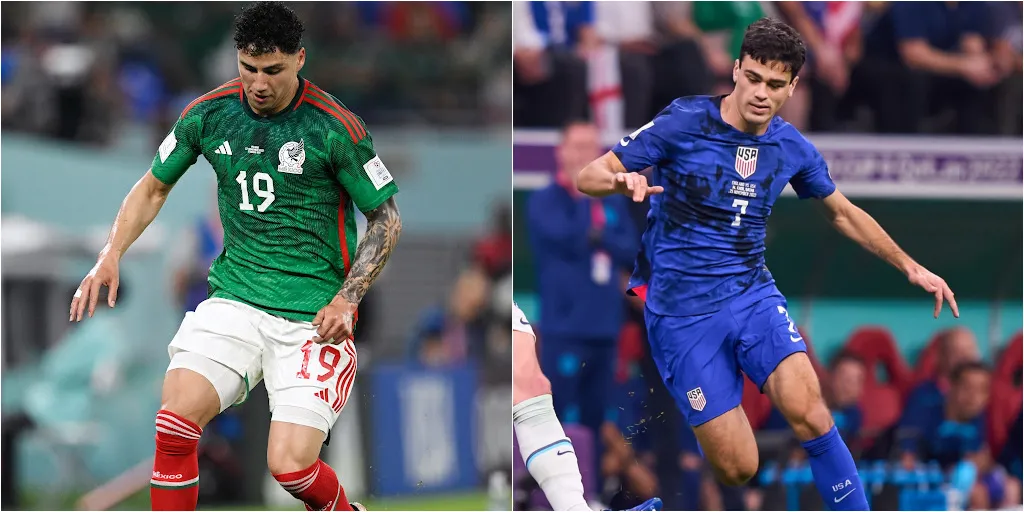 Photo: 2026 Gold Cup, via www.concacaf.com
The Numbers That Tell the Story
The financial disparity is staggering. While a promising 22-year-old midfielder from Brazil's Serie A might cost €25 million, a player of comparable ability from Costa Rica's Primera División can be secured for under €3 million. Factor in the commercial advantages of signing a player who can immediately connect with American audiences, and the value proposition becomes impossible to ignore.
Our analysis of 2026 transfer activity shows that CONCACAF-to-Europe moves average just €4.8 million per deal, compared to €18.3 million for similar profiles from South America's top leagues. Yet performance metrics suggest the quality gap is far smaller than the price difference implies.
Several European clubs have already capitalized on this disparity. A mid-table Premier League side signed a Guatemalan winger for €2.5 million who has since become their most valuable commercial asset in the American market, with his jersey sales in the US exceeding those of players who cost ten times as much.
MLS: The Unexpected Talent Factory
Major League Soccer's rapid development has created an unexpected dynamic in the CONCACAF transfer ecosystem. While European clubs traditionally viewed MLS as a retirement destination, the league's investment in youth development and the influx of international talent has produced a generation of players ready for the next level.
 Photo: Major League Soccer, via media.nbcnewyork.com
The salary cap structure in MLS has created artificial price constraints that savvy European recruiters are exploiting. Players who might command €15-20 million if they were performing at the same level in Argentina or Colombia can often be acquired from MLS clubs for €5-8 million due to the league's financial limitations.
"We're seeing technically excellent players who understand the intensity of professional football but haven't been priced out of reach yet," explains a Serie A scout who has made six trips to CONCACAF competitions in 2026. "The development pathway through MLS academies is producing players with European tactical awareness but CONCACAF pricing."
The Commercial Goldmine
Beyond pure football ability, CONCACAF players offer European clubs something increasingly valuable: authentic connection to the American market. As soccer's popularity explodes across the United States, clubs are discovering that signing players from the region creates instant marketing opportunities that simply don't exist with other international signings.
A Bundesliga club's marketing director revealed that their Honduran midfielder generates more social media engagement in the US than any other player on their roster, despite being their lowest-paid international signing. His presence has opened doors to partnerships with American companies specifically targeting the growing Latino soccer audience.
This commercial value extends beyond immediate marketing benefits. American broadcast partners are increasingly interested in promoting storylines around CONCACAF players, creating additional revenue opportunities for their European clubs through enhanced coverage and feature content.
The Scouting Revolution
Recognition of CONCACAF's potential has transformed how European clubs approach talent identification in the region. Where once they might send scouts to major tournaments as an afterthought, organizations are now establishing permanent scouting networks across Central America and the Caribbean.
One Premier League club has partnered with a Costa Rican academy to create a formal development pathway, while a Spanish side maintains full-time scouts in Mexico, Guatemala, and Jamaica. These investments are paying dividends as clubs identify talent before it reaches the attention of competitors.
The Gold Cup has become particularly valuable as a scouting opportunity because it showcases players in high-pressure international competition while they're still affordable. Several clubs now plan their summer scouting calendar around CONCACAF tournaments rather than treating them as secondary events.
Case Studies in Value Creation
The success stories are multiplying across European football. A Championship club signed a Panamanian defender for €1.8 million who has since become their captain and most consistent performer. His leadership qualities and professional approach have impressed coaching staff who admit they might never have considered a player from Panama's domestic league without seeing him in Gold Cup competition.
Similarly, a Belgian Pro League team discovered a Jamaican attacking midfielder whose pace and technical ability have made him one of the league's standout performers despite costing less than most of their domestic signings.
These examples highlight a crucial point: CONCACAF's talent pool isn't just about finding bargains—it's about discovering genuinely excellent players who happen to be undervalued by a market obsessed with traditional football powerhouses.
The Infrastructure Investment
CONCACAF's growing appeal has sparked infrastructure investments that create even more opportunities for talent development. American companies are funding academy improvements across Central America, while European clubs are establishing formal partnerships with regional teams to create development pathways.
This investment cycle is creating a self-reinforcing dynamic where improved facilities and coaching produce better players, which attracts more European attention, which justifies further investment in development infrastructure.
MLS clubs are also playing a crucial role by creating a clear progression pathway for CONCACAF talent. Players can now envision a route from domestic leagues through MLS to European football, making the region an increasingly attractive destination for young talent from across the Americas.
Looking Forward: The 2027 Landscape
As more clubs recognize CONCACAF's potential, expect the price advantages to gradually diminish. However, the commercial benefits of these signings for American market penetration will likely maintain their value even as transfer fees increase.
The upcoming 2026 World Cup in North America will provide unprecedented exposure for CONCACAF players, potentially accelerating their recognition in European markets. Clubs that establish relationships now will be best positioned to benefit from this increased visibility.
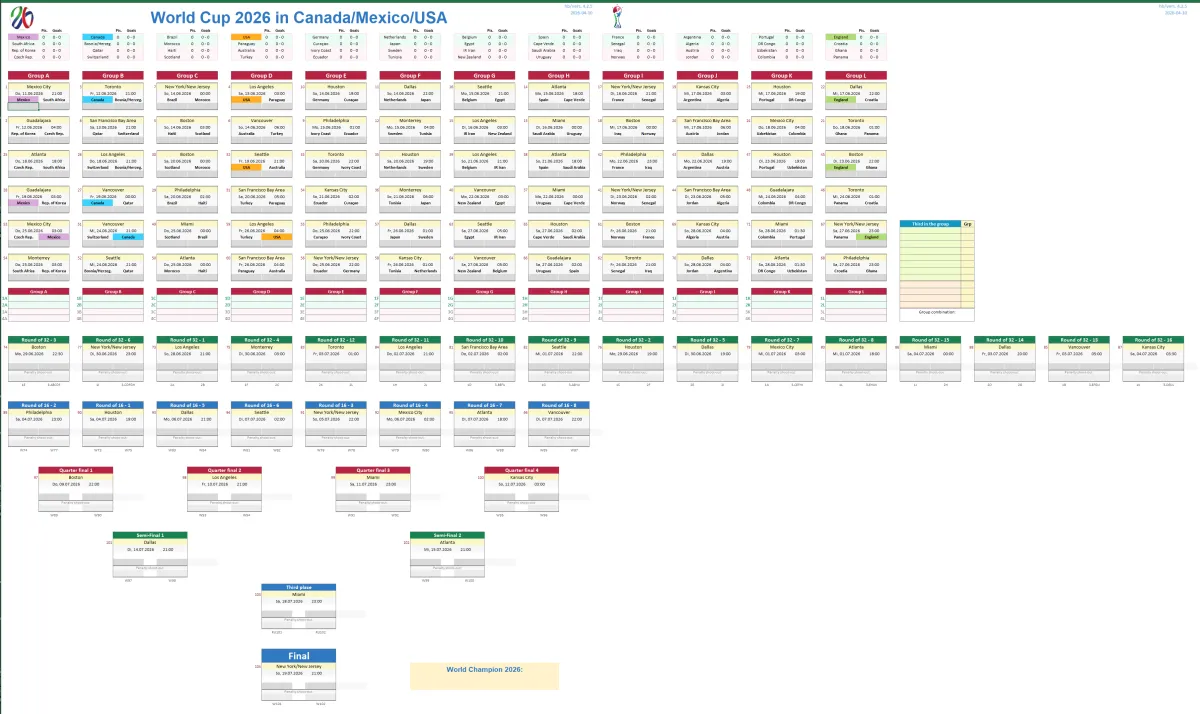 Photo: 2026 World Cup, via hermann-baum.de
For American soccer fans, this trend represents an exciting development: their regional heroes are increasingly likely to showcase their talents on Europe's biggest stages, creating new connections between American audiences and European clubs while proving that world-class talent exists far beyond football's traditional powerhouses.