
The Unexpected Exodus
Something unprecedented is happening in the global transfer market. While European clubs traditionally serve as the final destination for South America's finest talents, 2026 is witnessing a remarkable reversal. Veteran stars who spent their prime years lighting up the Premier League, La Liga, and Serie A are now orchestrating moves back to Brazil, Argentina, Colombia, and Mexico — not as aging has-beens seeking one final payday, but as calculated strategists positioning themselves for World Cup glory.
This isn't the typical retirement circuit narrative. These players are sacrificing Champions League football and European wages for something more valuable: guaranteed visibility in front of national team selectors ahead of the most important World Cup in recent memory.
The 2026 Factor Changes Everything
The upcoming World Cup, jointly hosted by the United States, Canada, and Mexico, has created a unique dynamic in South American football. With the tournament taking place in the Americas for the first time since 1994, there's an added emotional pull for players to represent their countries on home soil — or as close to it as possible.
More crucially, national team coaches are increasingly favoring players who compete in high-profile domestic leagues over those warming benches in Europe. The logic is simple: a 32-year-old midfielder starting every week for Boca Juniors or Palmeiras offers more current match fitness than the same player making sporadic appearances for a mid-table Serie A side.
The Economics of Sentiment
Contrary to popular belief, these moves aren't purely emotional decisions. South American clubs, flush with improved broadcast revenue and eager to capitalize on World Cup fever, are offering competitive packages that make financial sense. While base salaries might not match European standards, the total compensation — including image rights, endorsement opportunities, and reduced tax burdens in some territories — often comes surprisingly close.
Liga MX clubs, in particular, have emerged as major players in this market. Mexican teams benefit from CONCACAF's automatic World Cup qualification spots and the league's growing commercial appeal to U.S. broadcasters. For a Colombian or Argentine veteran, joining a Liga MX powerhouse offers both competitive football and proximity to North American markets ahead of 2026.
The National Team Politics
Perhaps the most compelling factor driving this trend is the shifting philosophy among South American national team managers. Brazil's coaching staff, for instance, has made it clear that domestic league performance carries significant weight in selection decisions. The message is unmistakable: players who want to make the World Cup squad need to be playing regularly at a high level, regardless of the league.
This represents a dramatic shift from previous World Cup cycles, when European-based players enjoyed almost automatic selection advantages. Now, coaches are prioritizing match sharpness and current form over historical reputation or league prestige.
The Ripple Effect Across Leagues
This homecoming wave is creating fascinating knock-on effects throughout the football ecosystem. European clubs are finding themselves with aging assets they're suddenly eager to move, leading to reduced transfer fees and creative deal structures. Meanwhile, South American leagues are experiencing a talent influx that's raising competitive standards and global attention.
For U.S. soccer fans, this trend offers an unexpected opportunity. With more high-profile South American talent playing closer to home, MLS clubs and Liga MX teams are becoming increasingly attractive destinations for American players seeking to test themselves against world-class opposition without crossing the Atlantic.
The Long-Term Implications
What we're witnessing may be the beginning of a fundamental shift in global football's power dynamics. If South American leagues can successfully retain and attract top talent by leveraging World Cup cycles, it could challenge Europe's monopoly on elite football. The 2026 World Cup might be remembered not just for its expanded format and North American venues, but as the tournament that began redistributing football's talent pool.
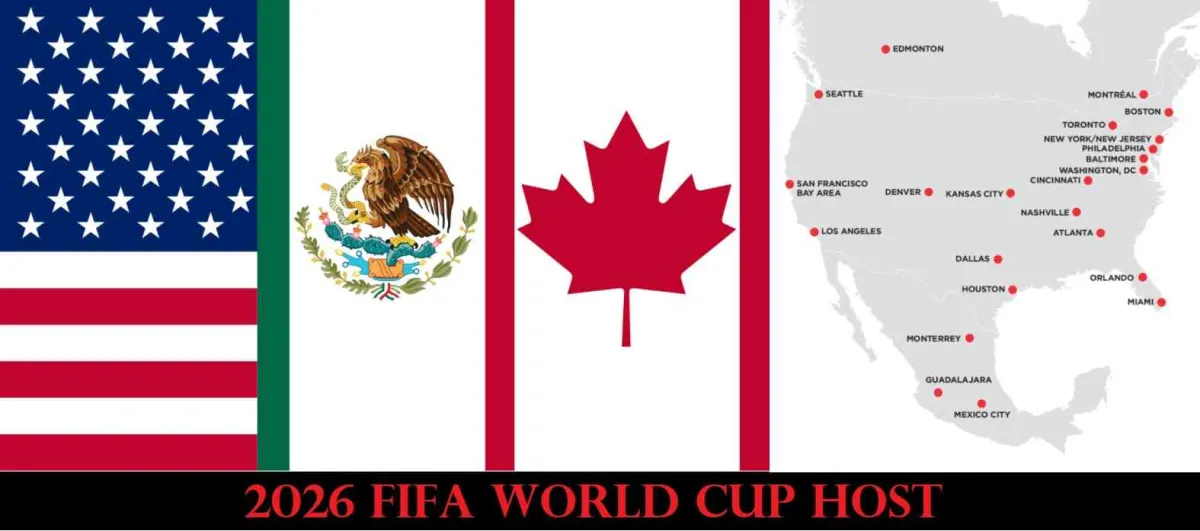 Photo: 2026 World Cup, via www.fifaworldcupnews.com
The Smart Money's Movement
From a pure transfer market perspective, this trend represents exceptional value for South American clubs. They're acquiring proven international talent at significantly reduced fees, while European clubs are cutting wage bills and clearing squad space for younger investments. It's a rare scenario where both sides of the transaction can claim victory.
For the players involved, the calculation is even simpler: trading a few years of European prestige for a realistic shot at World Cup immortality represents the kind of career-defining decision that separates legends from footnotes.
The 2026 World Cup is still months away, but its impact on the transfer market is already reshaping football's global landscape in ways that extend far beyond the tournament itself.