
The Hometown Hero Premium: Why American Clubs Are Paying Over the Odds to Sign US Men's National Team Stars
In the summer of 2026, as America prepares to host the FIFA World Cup, Major League Soccer clubs are discovering an uncomfortable truth about the transfer market: bringing home a United States Men's National Team star costs significantly more than importing equivalent talent from abroad. The phenomenon, dubbed the "Hometown Hero Premium" by industry insiders, is reshaping how American clubs approach their biggest signings.
The Numbers Don't Lie
Recent market analysis reveals that MLS teams are paying an average of 35-40% more for USMNT internationals compared to foreign players of similar age, position, and statistical output. This premium extends beyond transfer fees to encompass wages, signing bonuses, and commercial guarantees that often double the true cost of acquisition.
The trend became impossible to ignore following several high-profile moves in 2026. When LA Galaxy secured Christian Pulisic from AC Milan for a reported $28 million, industry experts noted that a comparable European winger without American nationality would likely have commanded $18-20 million. Similarly, Tyler Adams' move to Seattle Sounders included a salary package that placed him among the league's highest earners, despite modest statistical returns in his final European seasons.
 Photo: Seattle Sounders, via i.pinimg.com
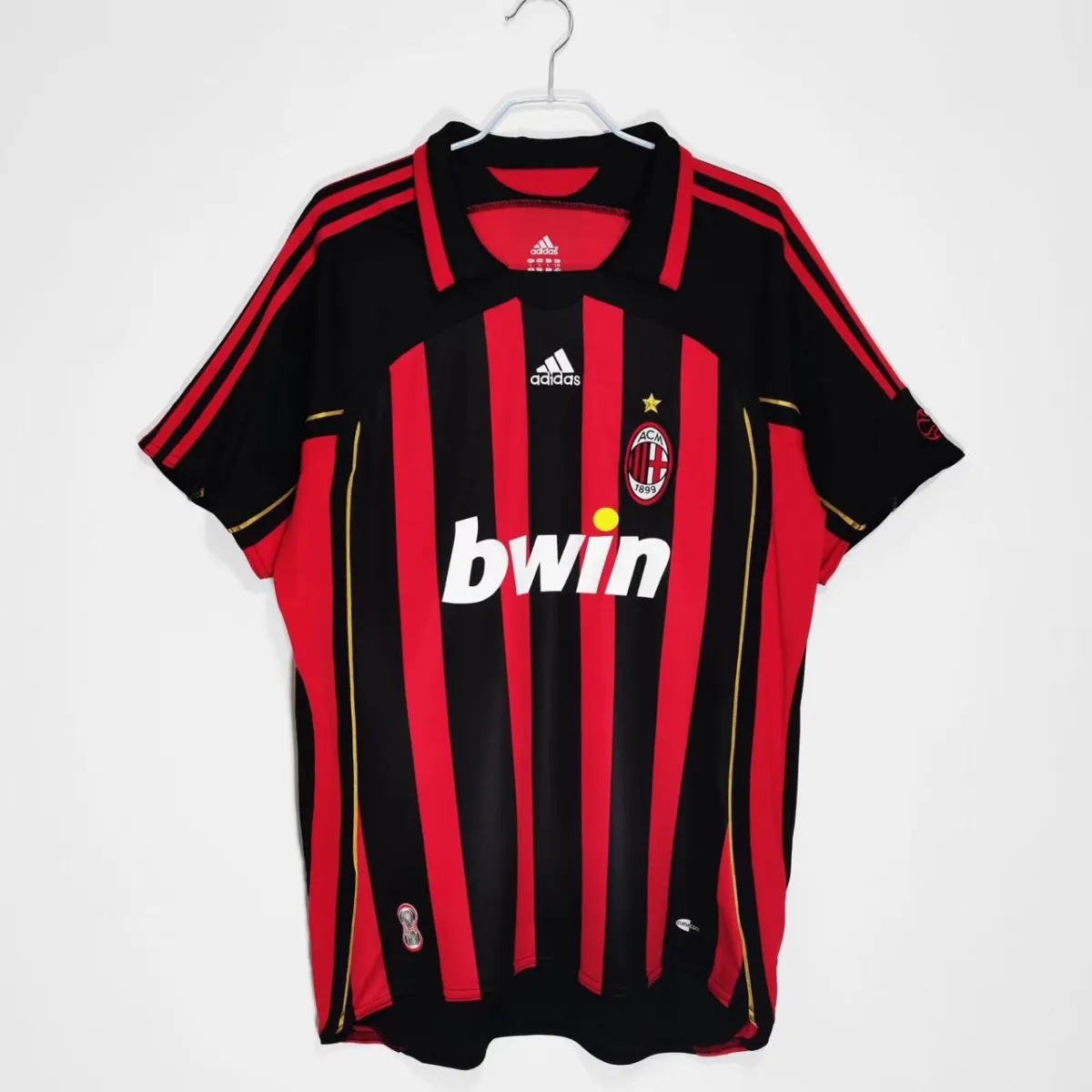 Photo: AC Milan, via championskit.in
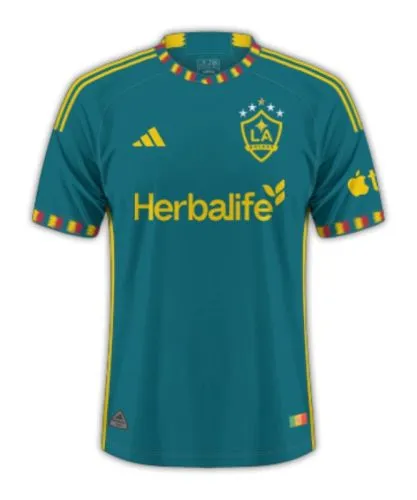 Photo: LA Galaxy, via cdn.footballkitarchive.com
The World Cup Effect
The proximity of the 2026 World Cup has created a perfect storm for inflated valuations. American soccer fans are experiencing unprecedented enthusiasm for the national team, with jersey sales and television viewership reaching historic highs. MLS executives, acutely aware of this golden opportunity, are betting that the commercial upside of signing American stars will justify the premium prices.
"The World Cup is a once-in-a-generation opportunity for American soccer," explains Sarah Martinez, a sports marketing consultant who has advised three MLS franchises on player acquisitions. "Clubs aren't just buying a player's on-field contribution — they're investing in a cultural moment that could define their brand for the next decade."
Beyond the Balance Sheet
The financial calculations extend far beyond traditional transfer economics. MLS clubs are factoring in projected jersey sales, season ticket renewals, and corporate sponsorship premiums when evaluating American targets. Early data suggests these projections may be conservative: Inter Miami's acquisition of a prominent USMNT midfielder in early 2026 reportedly generated $3.2 million in merchandise sales within the first month.
Television metrics provide another compelling argument for the premium. Games featuring American national team players average 23% higher viewership on domestic broadcasts, translating directly to increased media rights valuations for the league as a whole. This collective benefit creates pressure on individual clubs to compete for American talent, even when the individual business case appears questionable.
The Ownership Factor
Perhaps the most significant driver of the Hometown Hero Premium isn't market forces but ownership group dynamics. Many MLS franchises are controlled by investors with deep ties to American business and politics, creating non-financial incentives to sign high-profile domestic players.
"There's definitely a patriotic element that goes beyond pure business calculation," admits one MLS general manager, speaking on condition of anonymity. "When your ownership group includes former politicians and Fortune 500 CEOs, the optics of signing American stars become part of the value proposition."
This political dimension has created internal pressure within front offices, with some sporting directors privately expressing concern about the sustainability of current pricing trends. The fear is that American players are becoming systematically overvalued relative to their actual contribution, creating long-term competitive disadvantages for clubs that overpay.
International Comparisons
The American market's behavior stands in stark contrast to other major soccer nations. In England, Premier League clubs routinely pay less for English players than they would for equivalent foreign talent, viewing domestic quotas as a regulatory burden rather than a commercial opportunity. German clubs have historically shown similar restraint when evaluating national team players.
This divergence reflects the unique position of American soccer, where domestic stars remain relatively rare in elite European competition. The scarcity premium, combined with cultural factors and World Cup timing, has created market conditions unlike anywhere else in world football.
The Risk Assessment
Financial experts warn that the Hometown Hero Premium carries significant risks for MLS clubs. American players returning from Europe often struggle with the transition to different playing styles and lower overall quality, making their premium price tags particularly dangerous.
Historical data from previous World Cup cycles suggests that American player valuations tend to deflate rapidly after major tournaments, leaving clubs with expensive assets whose market value may not justify their acquisition cost. The 2022 World Cup cycle saw several American players' transfer values drop by 30-40% within 18 months of the tournament's conclusion.
Looking Ahead
As the 2026 World Cup approaches, the Hometown Hero Premium shows no signs of diminishing. If anything, industry observers expect the trend to accelerate as clubs position themselves for maximum commercial benefit during the tournament.
The ultimate test will come in the years following the World Cup, when American soccer enthusiasm inevitably normalizes and clubs must justify their investments based purely on sporting merit. For now, however, MLS teams appear willing to bet that the cultural and commercial value of American stars justifies paying prices that would seem irrational in any other market.
The Hometown Hero Premium represents more than just inflated transfer fees — it's a reflection of American soccer's unique moment in the global spotlight, where patriotism and profit margins intersect in ways that traditional football economics cannot fully explain.