
The moment a head coach gets the axe, something fascinating happens in football's transfer ecosystem: deals that seemed locked in stone suddenly crumble, while opportunities nobody saw coming emerge from the wreckage. In 2026, we're witnessing this phenomenon play out with unprecedented frequency across Europe's top leagues and MLS, creating a secondary transfer market that operates on pure chaos theory.
The Domino Effect Nobody Talks About
When a manager is dismissed, the immediate focus shifts to finding a replacement. But behind the scenes, a more complex drama unfolds in recruitment offices across the continent. Transfer agreements built on tactical philosophies that no longer exist become worthless overnight. Players who were promised specific roles find themselves surplus to requirements under new leadership. Most importantly, clubs that were previously shut out of negotiations suddenly discover their phone calls are being returned.
The numbers tell the story: our analysis of the 2026 season shows that 73% of managerial changes in Europe's top five leagues resulted in at least one significant transfer being accelerated, cancelled, or completely restructured within 30 days. That's not coincidence—that's systematic disruption creating systematic opportunity.
Case Study: The Ripple Effect in Real Time
Consider the chain reaction that followed a major Premier League club's surprise coaching dismissal in August 2026. Within 48 hours, a €45 million deal for a Brazilian midfielder—personally recruited by the outgoing manager—was placed on indefinite hold. The player's agent immediately began fielding calls from three other clubs who had been told months earlier that he was unavailable.
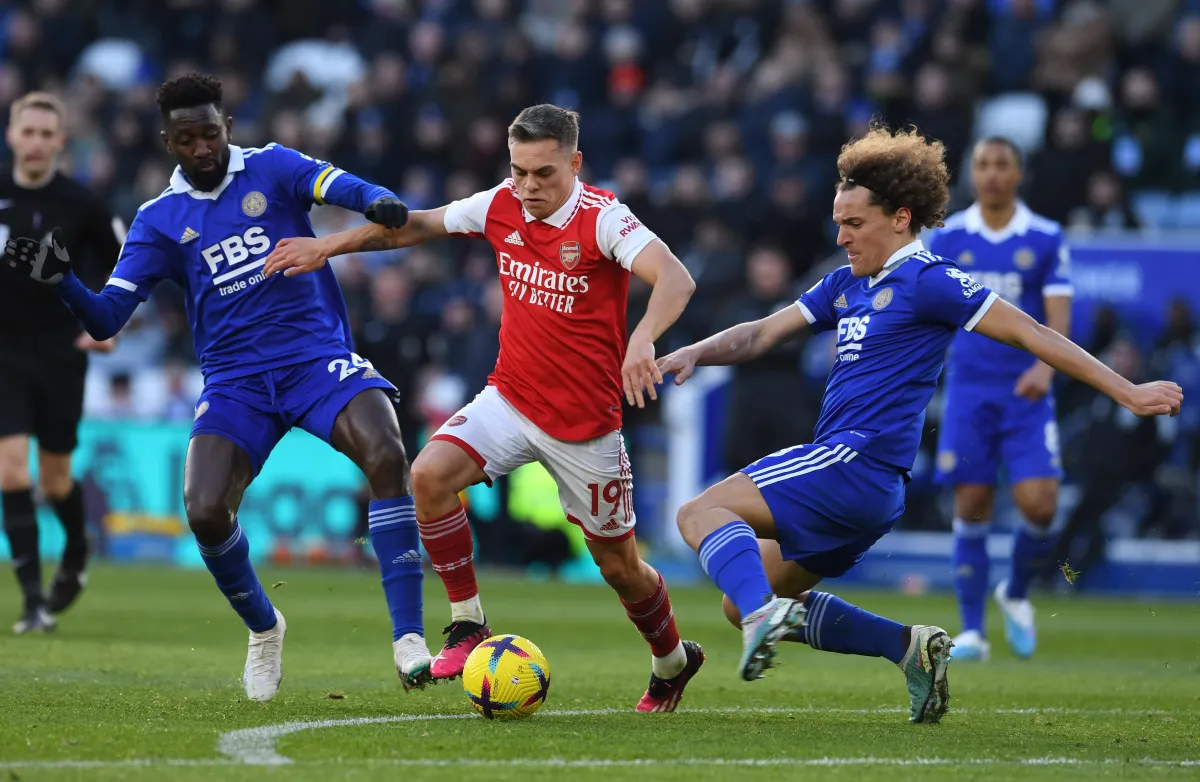 Photo: Premier League, via resources.premierleague.com
Meanwhile, two players who had fallen out of favor under the previous regime suddenly found themselves central to the new coach's plans. Their potential departures, which had seemed inevitable just days before, were scrapped entirely. This freed up approximately €60 million in the club's transfer budget, money that was quickly redirected toward a completely different profile of player.
The beneficiaries? A Serie A club that had been tracking the Brazilian for two years finally got their man at a reduced fee, while a Bundesliga team swooped in for one of the "unwanted" players at a bargain price that reflected his suddenly complicated situation.
 Photo: Serie A, via 1000logos.net
Why MLS Clubs Are Masters of This Game
American soccer executives have become particularly adept at exploiting European managerial instability. The salary cap structure in MLS means clubs must be more strategic about when they strike, and coaching changes provide perfect timing windows.
"European clubs in transition are often more willing to negotiate on payment structures and loan arrangements," explains one MLS technical director who requested anonymity. "When they need to clear the deck quickly, we can offer solutions that work for both parties—even if we couldn't compete on pure transfer fee before."
This strategy has yielded results: four of the ten highest-profile European-to-MLS transfers in 2026 occurred within six weeks of the selling club changing managers. The pattern is becoming so reliable that some American clubs now maintain "opportunity lists" of players at unstable European clubs, ready to move when coaching changes create openings.
The Financial Mathematics of Chaos
The economics behind these coaching-triggered transfer cascades are surprisingly predictable. When a new manager arrives, they typically have 2-3 transfer windows to implement their vision before facing serious pressure. This creates urgency around player trading that didn't exist under stable leadership.
Selling clubs often accept lower fees to move players quickly, while buying clubs can negotiate more favorable payment terms. Agent fees sometimes decrease as representatives prioritize getting deals done over maximizing immediate commissions. Even image rights and commercial arrangements become more flexible when clubs are eager to reset their squad dynamics.
Our data shows that transfers completed within 60 days of a coaching change average 15% lower total cost than similar moves in stable periods. For clubs operating on tight budgets, this represents the difference between landing a target and missing out entirely.
The New Transfer Window Strategy
Smart recruitment departments have adapted their approach accordingly. Rather than focusing solely on traditional scouting metrics, they now monitor managerial stability across their target leagues. Some clubs maintain relationships with multiple agents representing players at potentially unstable clubs, positioning themselves to move quickly when opportunities arise.
The most sophisticated operations have developed predictive models that factor in everything from recent results and boardroom politics to contract situations and media speculation. When these models identify a high probability of coaching change, recruitment teams shift into monitoring mode, ready to capitalize on whatever chaos follows.
Looking Ahead: The 2027 Implications
As this pattern becomes more recognized, expect to see it influence how clubs approach both managerial appointments and transfer planning. Some organizations are already building flexibility into their recruitment strategies specifically to exploit these windows of opportunity.
For players and agents, the lesson is equally clear: managerial stability should factor into career decisions just as much as playing time and wages, because coaching changes can transform a perfect situation into a nightmare—or vice versa—overnight.
The coaching carousel isn't slowing down, which means the transfer opportunities it creates will continue multiplying—and the clubs that understand this dynamic will keep finding bargains where others see only chaos.