In the shadowy world of football contract negotiations, a new weapon has emerged that's leaving clubs across the globe in a state of panic. As the 2026 World Cup approaches, agents and player representatives are orchestrating a carefully choreographed dance of contract expiry dates designed to extract maximum value from desperate clubs caught in the post-tournament chaos.
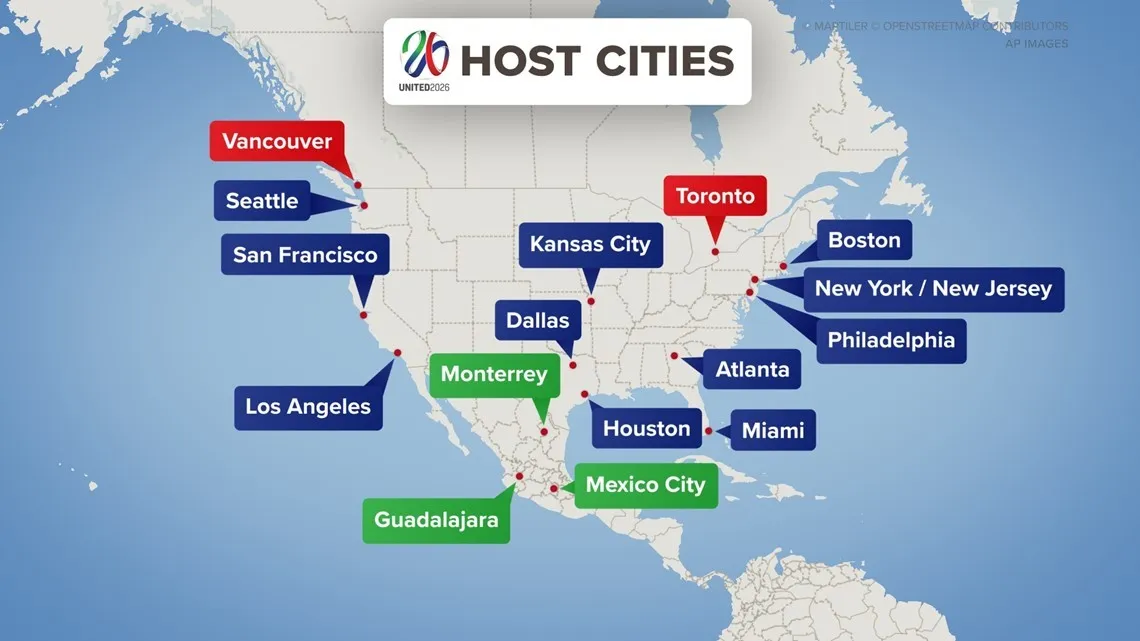 Photo: 2026 World Cup, via 64.media.tumblr.com
The phenomenon, dubbed "midnight clauses" by industry insiders, involves structuring player contracts to expire at strategically disadvantageous moments for clubs—typically in the immediate aftermath of World Cup success or failure, when player valuations are at their most volatile and clubs are under maximum pressure to either cash in or rebuild.
The Perfect Storm of Timing
Unlike traditional contract negotiations that follow predictable summer and winter window patterns, these midnight clauses are designed to create artificial urgency at moments when clubs are least prepared to handle them. Sources within the industry indicate that over 200 high-profile players across Europe's top five leagues have contracts structured to expire between July and September 2026—a three-month window that coincides with the immediate aftermath of the World Cup and the opening of the summer transfer window.
"It's brilliant from the agents' perspective," admits one Premier League director of football, speaking on condition of anonymity. "They've created a scenario where clubs have to make decisions about players whose market value might have just doubled or halved based on three weeks of football in North America."
 Photo: Premier League, via www.thetimes.com
The strategy is particularly devastating for MLS clubs, where Designated Player slots are precious commodities. Several sources indicate that at least six current DP contracts are set to expire in August 2026, forcing American clubs to make retention decisions before they fully understand how the World Cup has impacted their stars' global market value.
The Domino Effect Across Leagues
The ripple effects are already being felt across multiple leagues. In the Premier League, homegrown players are increasingly demanding contract structures that allow them to reassess their situations post-World Cup. The logic is simple: a breakthrough tournament performance could transform a mid-table regular into a Champions League target, while a poor showing might necessitate a strategic move to secure playing time.
"We're seeing players who would traditionally sign five-year deals now insisting on three-year contracts with specific break clauses tied to World Cup performance metrics," explains one leading agent who represents several USMNT internationals. "It's not just about money anymore—it's about maintaining optionality in a rapidly changing market."
The trend is particularly pronounced among players aged 26-30, who view the 2026 World Cup as potentially their last chance to secure a career-defining move. These players are deliberately structuring contracts to expire in the narrow window between the tournament's conclusion and the closure of the summer transfer window, creating maximum leverage for potential moves.
MLS: The Unexpected Casualty
Perhaps no league is more vulnerable to this trend than Major League Soccer, where the Designated Player mechanism creates artificial scarcity around high-profile signings. Club sources indicate that several current DPs have negotiated contracts that expire within weeks of the World Cup's conclusion, potentially leaving franchises scrambling to retain talent whose market value may have skyrocketed.
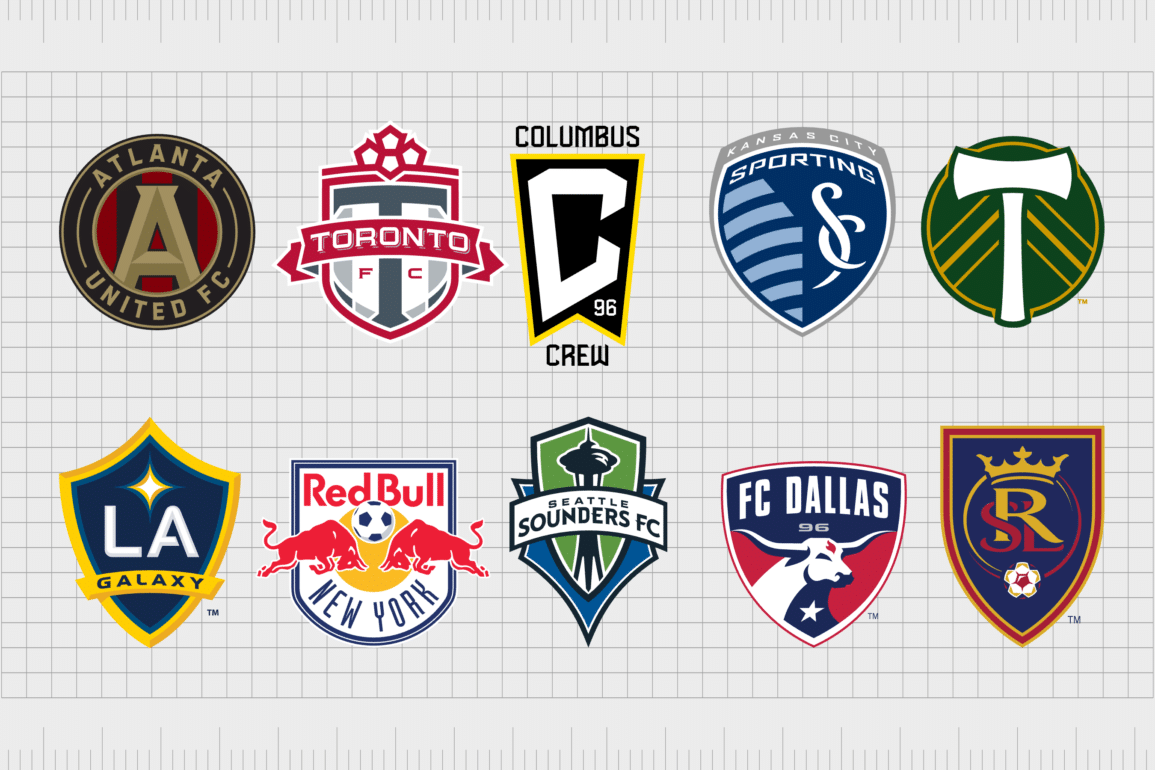 Photo: Major League Soccer, via fabrikbrands.com
"The DP system wasn't designed for this kind of market volatility," admits one MLS front office executive. "When a player's value can double overnight based on World Cup performance, our salary structure becomes completely inadequate."
The situation is further complicated by MLS's unique roster construction rules, which make it difficult for clubs to quickly adjust their financial commitments to retain players whose market value has increased dramatically. Unlike European clubs that can simply increase wages or transfer budgets, MLS teams must navigate complex salary cap mechanisms that weren't designed for rapid value fluctuations.
The European Response
European clubs are adapting by building more flexibility into their contract structures, but the solutions come with their own complications. Some Premier League clubs are experimenting with performance-based automatic extensions tied to World Cup appearances, while others are offering higher base salaries in exchange for longer contract commitments.
"The traditional model of offering security in exchange for below-market wages is breaking down," explains a Serie A sporting director. "Players now want both security and flexibility, which is mathematically impossible to provide."
The trend has also sparked innovation in contract language, with lawyers crafting increasingly complex clauses that attempt to anticipate various World Cup scenarios. Some contracts now include provisions for automatic wage increases based on tournament performance, while others feature mutual option years that can be triggered by either party depending on post-tournament market conditions.
The Long-Term Implications
As the football industry grapples with this new reality, the implications extend far beyond individual contract negotiations. The concentration of contract expiries in the post-World Cup window threatens to create unprecedented market volatility, with clubs potentially forced to make hundreds of millions in transfer decisions within a compressed timeframe.
"We're essentially creating an artificial transfer deadline that has nothing to do with sporting calendars and everything to do with contract engineering," warns one UEFA official. "It's a recipe for market chaos."
The trend also raises questions about competitive balance, as clubs with stronger financial resources will be better positioned to navigate the post-World Cup chaos. Smaller clubs may find themselves unable to compete for players whose values have increased dramatically, while also struggling to retain talent whose market appeal has grown beyond their financial reach.
The midnight clause phenomenon represents a fundamental shift in how players and their representatives approach contract negotiations, prioritizing optionality over security and timing over traditional financial considerations. As the 2026 World Cup approaches, clubs across the globe are being forced to confront a new reality where the beautiful game's biggest tournament doesn't just crown champions—it reshapes the entire transfer market in its wake.