
At 10:47 PM on January 31st, 2023, Manchester United's fax machine broke down. With just over an hour left in the winter transfer window, the club was frantically trying to complete a loan deal for Wout Weghorst. Papers were flying, phones were ringing, and somewhere in Old Trafford's administrative offices, someone was probably questioning why multi-million-dollar deals still relied on technology from the 1980s.
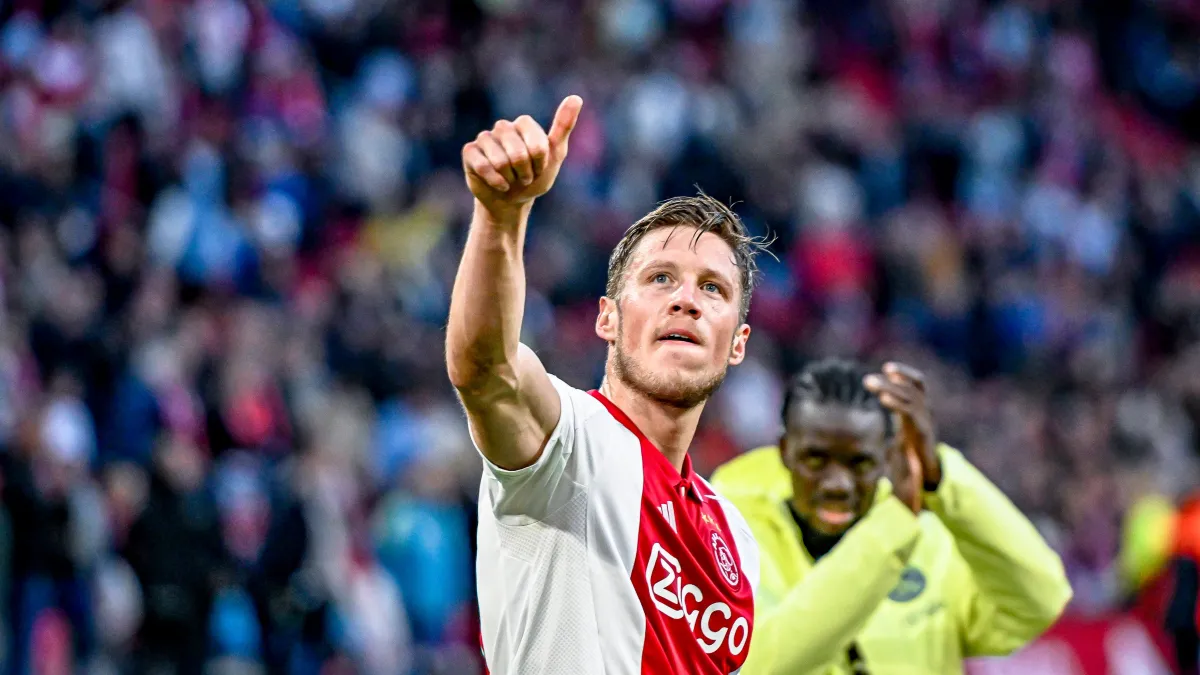 Photo: Wout Weghorst, via assets.voetbalzone.nl
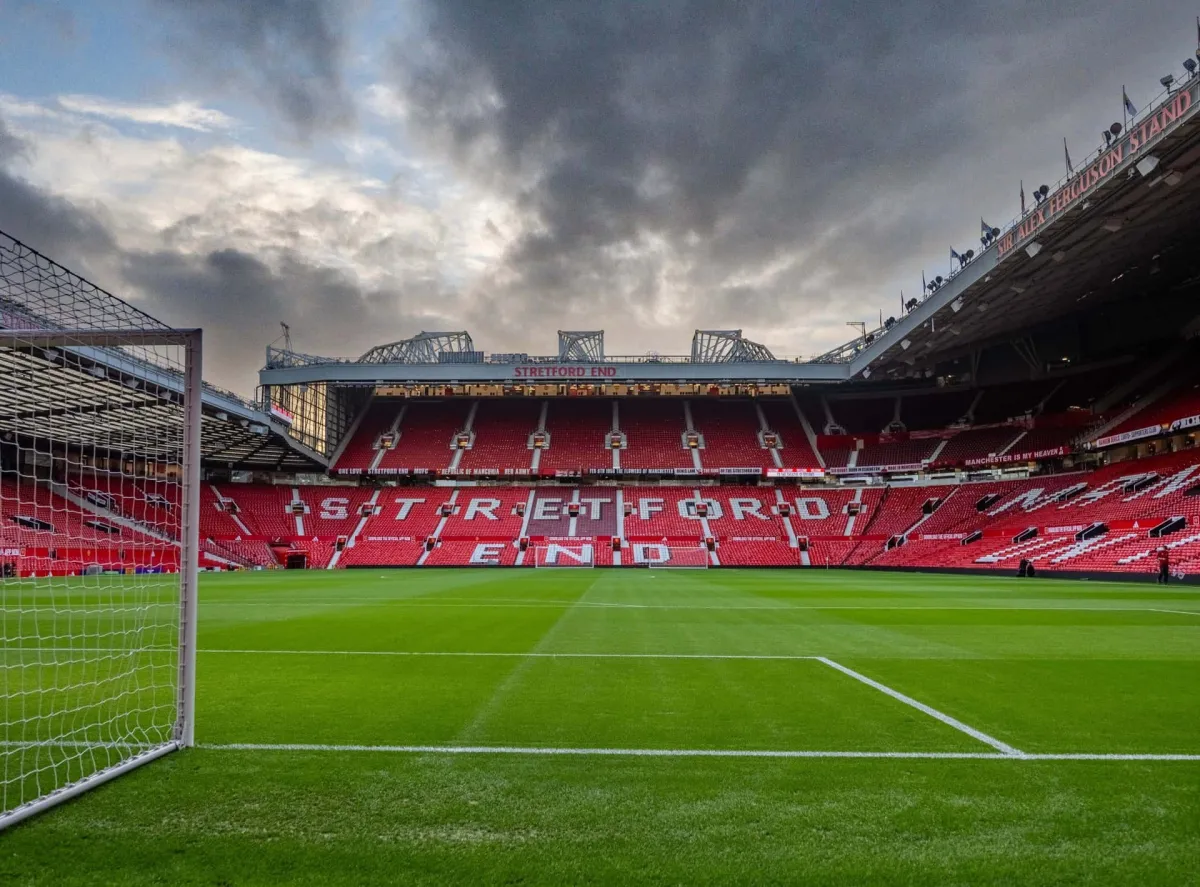 Photo: Old Trafford, via wallpapers.com
Welcome to deadline day — football's answer to Black Friday, New Year's Eve, and a NASCAR finish all rolled into one caffeinated nightmare.
The Theater of Dreams (and Nightmares)
For American sports fans accustomed to the NBA's trade deadline or MLB's non-waiver deadline, football's transfer windows might seem quaint. But make no mistake: when that clock hits 11 PM ET on the final day of a European transfer window, you're witnessing some of the highest-stakes business negotiations on the planet.
The numbers are staggering. On the final day of the 2023 summer window, Premier League clubs spent over $280 million. That's roughly equivalent to the entire payroll of the New York Yankees — blown in a single day.
But it's not just about the money. It's about the theater.
The Anatomy of Chaos
To understand deadline day, you need to understand its ecosystem. Picture this: at 6 AM GMT on the final day, most deals are already 90% complete. The remaining 10%? That's where the magic — or disaster — happens.
The Players: Not just the athletes, but the cast of characters that make deadline day possible. There are agents camped out in airport lounges, ready to fly their clients across continents for last-minute medicals. There are lawyers reviewing contracts in hotel rooms at 2 AM. There are club executives who haven't slept in 72 hours, surviving on espresso and adrenaline.
The Locations: Forget boardrooms. The real negotiations happen in the most unlikely places. Agents have closed deals in Uber rides to the airport. Medical staff have conducted physicals in private jets. One famous story tells of a Premier League club completing a signing while their target player was literally on vacation in the Maldives — the medical was conducted via video call.
The Technology: Yes, fax machines are still involved. In 2024. FIFA and UEFA require official documentation to be transmitted via fax for certain international transfers, leading to the surreal sight of billion-dollar organizations scrambling to find working fax machines at 11:58 PM.
The American Perspective: Why This Matters
For US soccer fans, deadline day represents something uniquely European: the intersection of sport and bureaucracy elevated to high art. In American sports, trades can happen year-round (with some restrictions), but European football's rigid transfer windows create artificial scarcity that drives up both prices and drama.
This system directly impacts MLS and American players abroad. When European windows slam shut, the ripple effects reach across the Atlantic. Players who couldn't secure moves to Europe suddenly become available to MLS clubs. Conversely, American players in Europe might find their dream moves delayed by six months if they miss the deadline by mere minutes.
Take the case of Tyler Adams in 2022. His move from Leeds United to Bournemouth was completed with just 23 minutes to spare in the summer window. Had that deal fallen through, Adams might have spent six months on the bench at Leeds, potentially affecting his World Cup preparations.
The Folklore and the Failures
Deadline day has created its own mythology. There's the legend of David de Gea's failed move to Real Madrid in 2015, allegedly derailed by a faulty fax machine (though both clubs dispute this version). There's the story of Odemwingie driving himself to QPR's training ground in 2013, only to discover the club hadn't actually agreed to sign him.
But for every failure, there's a miraculous success. Mesut Özil's move to Arsenal in 2013 was completed with just 18 minutes to spare. The deal required approval from the German FA, Arsenal's board, and Real Madrid's hierarchy — all while Özil was on international duty.
The Modern Reality
Today's deadline day is simultaneously more sophisticated and more chaotic than ever. Clubs use private jets like taxis, flying players across Europe for medicals and contract signings. Sports science teams conduct remote fitness assessments via video calls. Legal teams work around the clock, with some firms specializing exclusively in deadline day completions.
Yet the human element remains. Deals still collapse because of personal terms disagreements at 11:30 PM. Players still change their minds while sitting in cars outside training grounds. Agents still play clubs against each other until the very last second.
The Streaming Revolution
For American fans, deadline day has become must-watch television. Sky Sports' "Transfer Deadline Day" coverage regularly draws millions of viewers worldwide, including a growing US audience. The format — part sports coverage, part reality TV — has proven perfect for the social media age.
The coverage has spawned its own stars. Reporters like Jim White and Kaveh Solhekol have become celebrities in their own right, standing outside training grounds in all weather, delivering breathless updates about medical appointments and contract negotiations.
The Future of the Deadline
As European football continues its global expansion, expect deadline day to become even more international in scope. The 2026 World Cup in North America will likely intensify American interest in European transfers, potentially making deadline day a genuine US sporting event.
Technologically, the process is slowly modernizing. Digital signatures are becoming more common, though FIFA's insistence on physical documentation for certain transfers means fax machines aren't disappearing entirely.
The Bottom Line
Deadline day represents everything that's simultaneously brilliant and absurd about modern football. It's a system that creates artificial drama, inflates prices, and occasionally produces genuine sporting miracles.
For American fans still learning the rhythms of the global soccer calendar, deadline day offers the perfect entry point. It's got all the elements of great television: high stakes, time pressure, unexpected twists, and the occasional happy ending.
Most importantly, it reminds us that beneath all the analytics, tactical innovations, and billion-dollar valuations, football remains fundamentally human. Sometimes the biggest deals in world sport come down to whether someone can find a working fax machine at midnight.