The Great American Brain Drain Is Ending
For nearly three decades, Major League Soccer operated as Europe's unofficial feeder league, watching helplessly as promising teenagers traded American dreams for European contracts worth a fraction of their true value. The cycle seemed endless: develop talent, lose talent, repeat. But in 2026, that narrative is finally changing.
Across MLS front offices, a quiet revolution has taken hold. Armed with new financial structures, creative contract mechanisms, and a generation of executives who understand both American business culture and global soccer economics, MLS clubs are winning the war to keep their homegrown stars.
The Numbers Don't Lie
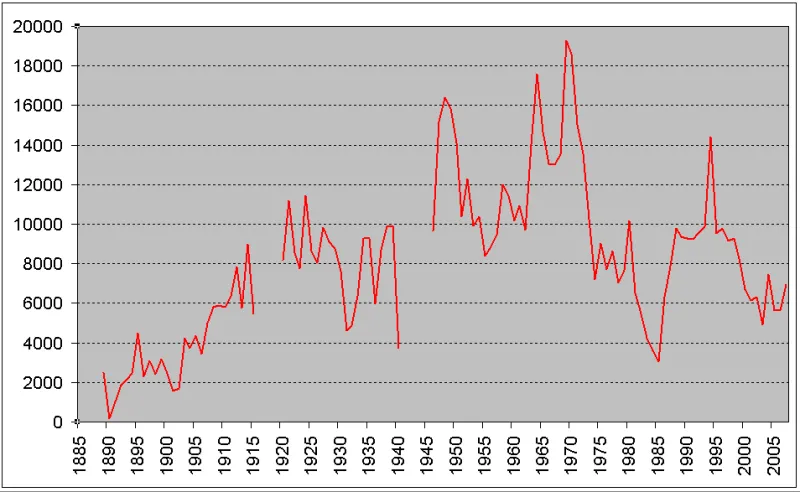
The statistics tell a compelling story. In 2023, MLS clubs lost 47 homegrown players to international transfers before their 21st birthday, generating an average fee of just $1.2 million per player. Fast-forward to 2026, and that number has dropped to 23 departures, with average fees jumping to $3.8 million.
More importantly, the average age of departure has increased from 19.3 years to 22.1 years. Those extra three years represent the difference between selling potential and selling proven quality.
"We're not trying to keep players forever," explains Atlanta United's technical director. "We're trying to keep them long enough to maximize their development and our return on investment. Everyone wins when a player reaches their ceiling before moving on."
The Equity Play Revolution
The most innovative development has been the introduction of equity stakes for homegrown talents. FC Dallas pioneered this approach in late 2025, offering their top academy graduates minority ownership positions in their USL affiliate. The model has since been adopted by eight other MLS clubs.
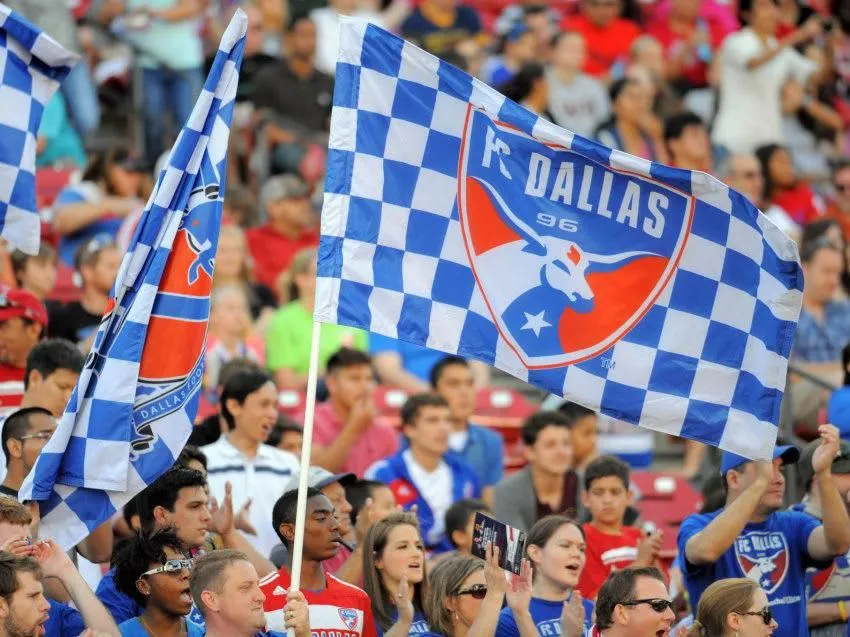 Photo: FC Dallas, via dallas.culturemap.com
Under these arrangements, players receive traditional contracts plus equity positions that vest over time. A typical deal might include 0.5% ownership of a lower-division affiliate, worth potentially millions if the player helps drive the club's value upward.
"It's brilliant because it aligns incentives," notes soccer economist Dr. Sarah Chen at UCLA. "The player has financial motivation to stay and develop, while the club gets more time to maximize their investment. It's capitalism working exactly as intended."
Loyalty Bonuses That Actually Matter
Traditional loyalty bonuses were often token gestures—$50,000 here, $100,000 there. The new generation of MLS contracts features loyalty payments that rival European signing bonuses.
LA Galaxy's recent deal with homegrown midfielder James Rodriguez includes loyalty bonuses totaling $2.5 million over four years, paid in increments that increase dramatically if he remains with the club. Year one pays $200,000, but year four pays $1 million—creating powerful financial incentives to see contracts through completion.
 Photo: LA Galaxy, via www.designfootball.com
These aren't just carrots, either. Modern MLS contracts include sophisticated penalty clauses that make early departures financially painful for players and their representatives.
The Academy Investment Payoff
This retention success builds on a foundation of improved academy infrastructure that's finally bearing fruit. MLS clubs have invested over $400 million in youth development facilities since 2020, creating environments that genuinely compete with European alternatives.
"Players used to leave because the development pathway wasn't clear," explains former US national team captain Landon Donovan, now working in player development with San Diego FC. "Now we can show teenagers a legitimate route from academy to first team to international recognition, all while staying close to home."
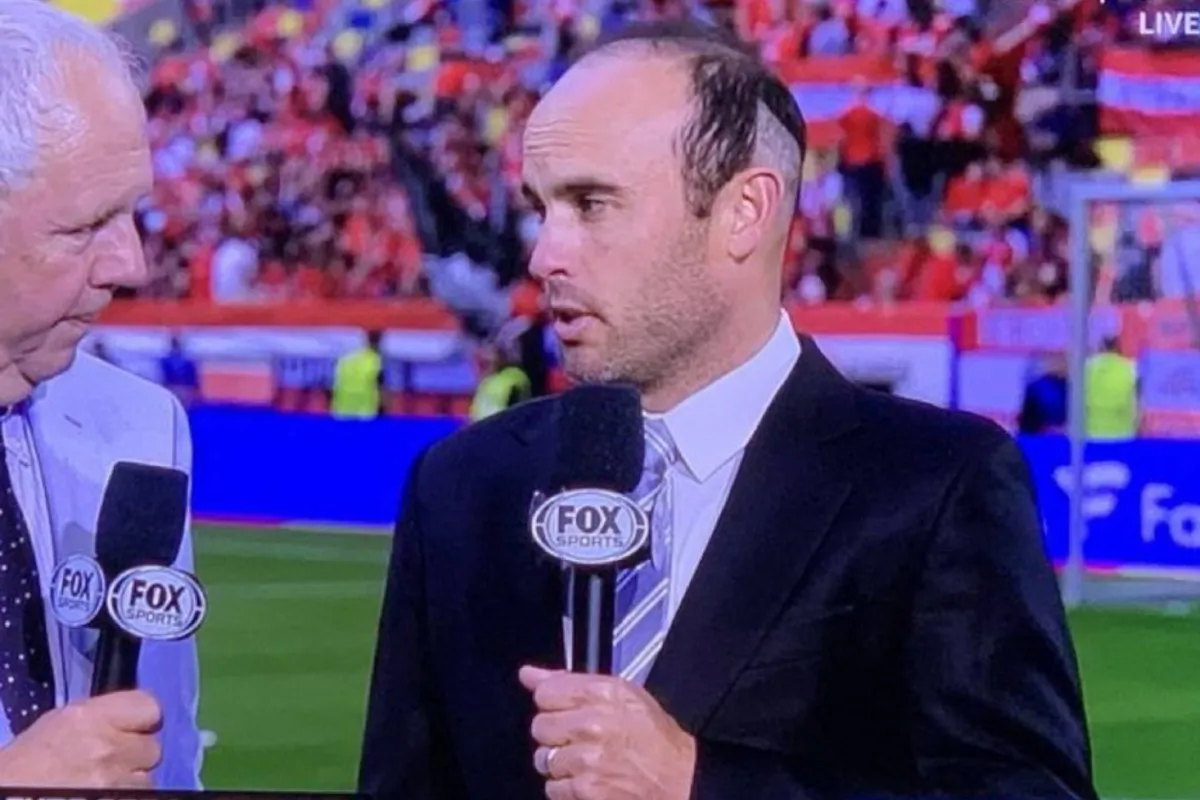 Photo: Landon Donovan, via e00-mx-marca.uecdn.es
The pathway credibility received a massive boost from the 2026 World Cup, where seven MLS-developed players earned spots on the US roster. Suddenly, staying in MLS doesn't feel like career suicide.
European Clubs Adapt Their Approach
The changing dynamics haven't gone unnoticed across the Atlantic. Premier League and Bundesliga clubs that once expected to sign American teenagers for nominal fees are now facing serious resistance.
"The days of getting American talent on the cheap are over," admits a Premier League scout who requested anonymity. "These clubs have gotten smart about valuation, and they're not desperate to sell anymore. We're having to pay market rates."
Some European clubs have responded by establishing formal partnerships with MLS sides, creating development pathways that benefit both parties while respecting the new economic realities.
The Cultural Shift
Perhaps most importantly, there's been a fundamental cultural shift in how American soccer views itself. The inferiority complex that once drove every promising player toward Europe has largely evaporated.
"My son could have signed with Ajax at 16," says Maria Santos, whose son plays for New York City FC's academy. "But why rush? He's getting world-class coaching here, he's close to family, and if he develops properly, the European opportunities will still be there at 22 or 23."
This confidence reflects broader changes in American soccer culture, driven partly by the success of players like Tyler Adams and Yunus Musah, who developed their games across multiple continents but found their footing in American systems.
What Comes Next
The retention strategy success has created new challenges. MLS clubs now face the pleasant problem of having too much talent, forcing difficult decisions about playing time and development pathways.
Several clubs are exploring creative solutions, including formal loan partnerships with USL Championship and League One sides that guarantee meaningful minutes for promising players not yet ready for MLS action.
"We're building a proper pyramid," explains one Western Conference general manager. "Players can develop within our system at multiple levels, getting the experience they need without having to leave the country."
The Bottom Line
The homegrown hustle represents more than just smart business—it's a coming-of-age moment for American soccer. By keeping their best young talents longer, MLS clubs are finally building the foundation for sustained success that the league has always promised but never quite delivered.
For a league that spent its first quarter-century apologizing for its existence, confidently telling European giants to pay market rates or look elsewhere represents a seismic shift in mentality and market position.