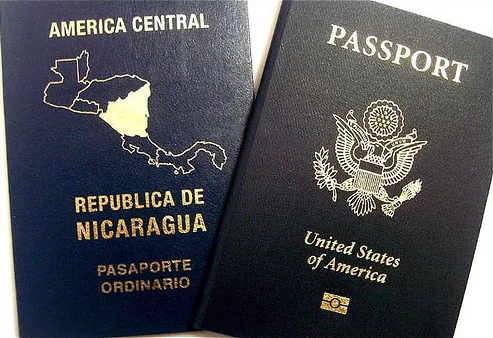
In the high-stakes chess game of modern football transfers, a new piece has emerged as the ultimate power play: the dual-nationality player. As the 2026 World Cup approaches and registration rules become increasingly complex across global leagues, clubs are discovering that a player's passport collection might be just as valuable as their passing ability.
The trend has reached fever pitch in recent months, with agents now leading transfer negotiations not just with highlight reels and medical reports, but with citizenship documentation and eligibility charts. For clubs navigating the labyrinth of homegrown player quotas, foreign player limits, and post-Brexit work permit requirements, dual-nationality stars represent the ultimate Swiss Army knife — versatile assets who can solve multiple roster construction puzzles with a single signature.
The New Gold Standard
The mathematics are compelling. In Major League Soccer, where each franchise can roster just three Designated Players and faces strict salary budget constraints, a player who qualifies as a domestic talent through American citizenship commands an immediate premium. That same dynamic plays out in reverse across European leagues, where clubs are willing to pay extra for players who don't count against foreign player limits.
"It's become the first question we ask," reveals one prominent agent who requested anonymity. "Before we even discuss playing style or market value, clubs want to know every passport option available. A player with dual citizenship isn't just filling one roster spot — they're potentially solving three or four different registration headaches."
The trend has created some eye-opening valuations. Players with modest technical abilities but favorable passport combinations are commanding transfer fees that would have seemed absurd just five years ago. Meanwhile, supremely talented players stuck with single citizenship from certain nations find themselves priced out of moves to top-tier leagues.
The American Advantage
For American-eligible players, the passport play has created unprecedented leverage. MLS franchises, desperate to maximize their limited international roster spots, are paying significant premiums for players who can contribute immediately without counting against foreign player limits. The reverse dynamic benefits American dual nationals in Europe, where their ability to fill homegrown quotas in certain leagues makes them attractive to clubs looking to balance their international signings.
The most sought-after combination? American citizenship paired with a European Union passport. These players can move freely between MLS and European leagues without work permit issues, while offering maximum roster flexibility to potential suitors. Several agents report that American-German and American-Italian dual nationals are commanding transfer fees 20-30% higher than comparable single-nationality players.
Registration Roulette
The complexity reaches absurd levels when considering the patchwork of regulations across different competitions. A player might count as domestic in one league but international in another, homegrown for UEFA competitions but foreign for domestic matches. Clubs are increasingly employing specialized consultants to map out the registration implications of potential signings across all competitions they participate in.
English Premier League clubs, still adjusting to post-Brexit work permit requirements, have become particularly aggressive in pursuing dual nationals who can bypass the points-based visa system. Spanish La Liga teams, facing their own non-EU player limits, are similarly motivated to target players with European citizenship regardless of where they developed their skills.
The phenomenon has created some unusual transfer patterns. Players are choosing moves based not on sporting ambition or financial reward, but on which leagues their passport combination unlocks. Some are even pursuing additional citizenship specifically to enhance their transfer market value.
The Commercial Component
Beyond registration mechanics, dual-nationality players offer unique commercial opportunities. A Mexican-American striker doesn't just solve roster construction problems for an MLS franchise — they potentially unlock two massive television markets and sponsorship demographics. European clubs are similarly motivated by the marketing possibilities of players who can authentically represent multiple fan bases.
This commercial dimension has led to some creative contract structures. Clubs are offering performance bonuses tied to international appearances, knowing that a player representing a major nation in the World Cup can significantly boost their global profile and merchandise sales.
The Regulatory Response
Football governing bodies are beginning to recognize the unintended consequences of their complex registration systems. FIFA has initiated discussions about harmonizing nationality regulations across different competitions, while some leagues are considering reforms to their foreign player limits.
However, any regulatory changes face significant political obstacles. National associations jealously guard their homegrown player requirements, viewing them as essential for domestic talent development. The result is a continued patchwork of rules that savvy agents and clubs will continue to exploit.
Looking Ahead
As the 2026 World Cup approaches, hosted jointly by the United States, Canada, and Mexico, the passport play is only expected to intensify. Players eligible for any of the host nations are commanding particular attention, as clubs anticipate increased commercial opportunities and exposure.
The trend represents a fundamental shift in how football evaluates talent. Technical ability and physical attributes remain paramount, but passport portfolios have emerged as an equally crucial factor in transfer valuations. In an era where regulatory compliance can make or break a club's competitive strategy, dual-nationality players have become the ultimate insurance policy — talented athletes who happen to come with their own legal loopholes built in.