
The Phantom Signing: Why Dozens of Transfers That Were 'Done Deals' in 2026 Never Actually Happened
In the summer of 2026, Real Madrid's social media team had already prepared the welcome video. The medical was complete, personal terms agreed, and even the jersey number assigned. Yet somehow, a €120 million midfielder never walked through the Bernabéu doors. Welcome to the era of phantom signings — transfers that tick every box except the one that actually matters.
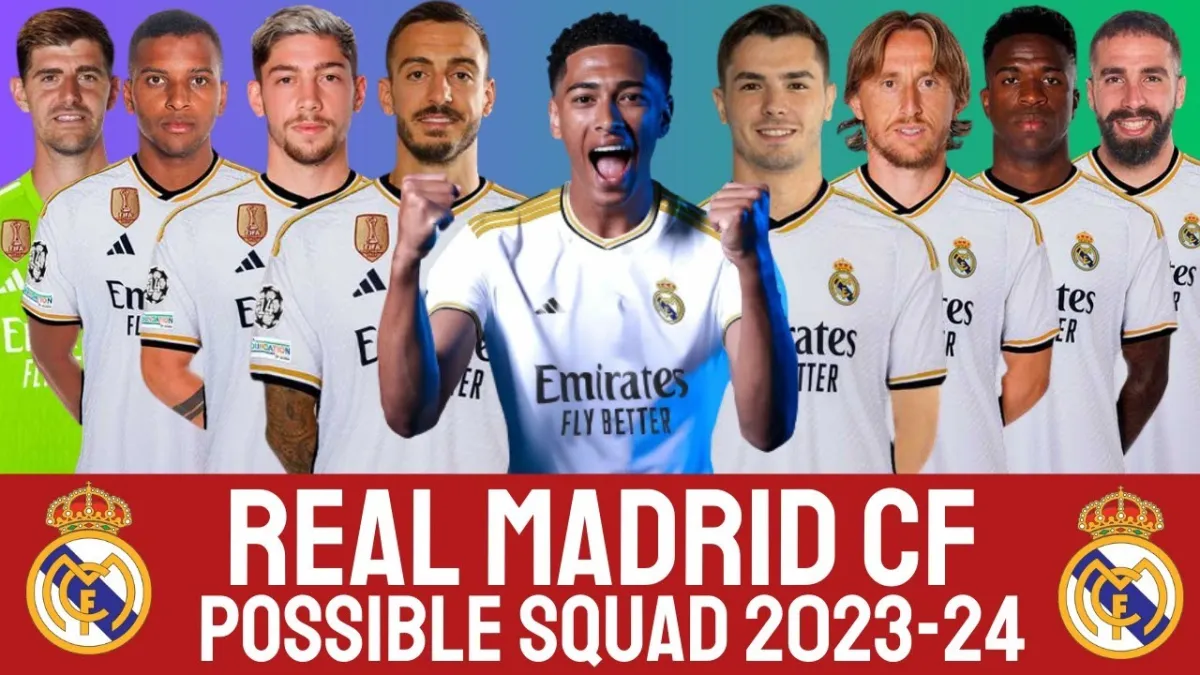 Photo: Real Madrid, via i.ytimg.com
This isn't an isolated incident. Across Europe's top leagues, an unprecedented number of 'done deals' have evaporated in 2026, leaving clubs scrambling and fans bewildered. Industry insiders estimate that nearly 40% of transfers that reached the medical stage this summer ultimately collapsed, compared to just 15% five years ago.
The New Deal-Breakers
Traditional transfer wisdom held that once a player passed his medical and agreed personal terms, only catastrophic injury or last-minute gazumping could derail a move. That playbook is obsolete.
"The complexity of modern transfers has created dozens of new failure points," explains Maria Santos, a sports lawyer who has worked on over €2 billion worth of transfers. "Third-party ownership percentages, image rights complications, agent commission disputes — any one of these can kill a deal that looks done from the outside."
The most common phantom signing scenario involves what insiders call 'the documentation death spiral.' A player completes his medical on Monday, poses for photos on Tuesday, but by Friday, lawyers have discovered conflicting clauses in his current contract that make the transfer legally impossible.
Take the case of a prominent Brazilian winger whose €85 million move to the Premier League collapsed just hours before the official announcement. The breakdown? A clause in his South American contract gave his former youth club 15% of any future transfer — but that club had since been dissolved, creating a legal black hole that took three weeks to resolve. By then, the buying club had moved on.
 Photo: Premier League, via ironabbey.com
The Social Media Mirage
Social media has amplified the phantom signing phenomenon by creating false confirmation points. Clubs now routinely prepare announcement content before deals are legally complete, leading to situations where transfers appear finalized to the public while still hanging by a thread behind closed doors.
"Fans see a player in the new jersey, holding up a scarf, and assume it's done," says transfer journalist David Richardson, who has covered over 1,000 moves. "But that photo shoot often happens before the final contracts are signed. It's marketing theater, not legal confirmation."
This summer alone, at least six major signings collapsed after official photography sessions, including a €70 million striker whose 'unveiling' video was accidentally published despite the deal falling through over agent fees.
The American Angle
MLS clubs have become unexpected beneficiaries of European phantom signings. When high-profile moves to England, Spain, or Italy collapse at the last minute, American teams are increasingly positioned to swoop in with simplified deal structures.
"European transfers have become so convoluted that our straightforward approach is actually an advantage," reveals one MLS sporting director, speaking on condition of anonymity. "We've signed three players this year who were 'done deals' elsewhere first."
The most notable example involves a USMNT midfielder whose €45 million move to Serie A imploded over third-party ownership disputes, only for him to join LAFC within 48 hours on a much simpler Designated Player contract.
 Photo: Serie A, via 1000logos.net
The Legal Labyrinth
Modern football contracts have become so complex that even experienced lawyers struggle to navigate them. Image rights alone can involve multiple companies across different jurisdictions, each with veto power over transfers.
"I've seen deals collapse because a player's image rights were owned by a company that was owned by another company that had a clause preventing moves to clubs with certain sponsors," Santos explains. "The due diligence required now is astronomical."
Agent commission structures have become particularly problematic. With multiple representatives often involved in a single transfer — from the player's main agent to intermediaries to family advisors — disputes over who gets paid what percentage can kill deals that are otherwise agreed.
The Ripple Effect
Phantom signings don't just affect the clubs and players directly involved. They create cascading failures throughout the transfer market, as clubs' backup plans often involve players who become unavailable when their own 'done deals' collapse.
This domino effect was particularly visible in Serie A this summer, where one collapsed €60 million deal triggered the failure of four subsequent transfers, leaving multiple clubs scrambling to fill squad gaps just days before the window closed.
The Technology Solution
Some clubs are turning to blockchain-based contract systems and AI-powered due diligence to reduce phantom signings. These technologies can flag potential legal complications before they derail deals, though adoption remains limited.
"We're essentially trying to solve a 19th-century legal framework with 21st-century technology," notes tech entrepreneur and former player agent James Mitchell. "The early results are promising, but the football industry is notoriously slow to change."
Looking Ahead
As the 2027 transfer windows approach, clubs are already adapting their strategies to minimize phantom signings. This includes conducting more thorough legal reviews earlier in the process and building in longer buffer periods between agreement and announcement.
For fans, the lesson is clear: in the modern transfer market, nothing is truly done until the player is registered with the league and walking onto the pitch in his new colors. Everything else is just expensive theater.