The Post-World Cup Hangover: Why Breakout Stars From 2026 Are Already Struggling to Justify Their Transfer Fees

Photo: Staff Sgt. James Selesnick, Public domain, via Wikimedia Commons
Six months after the most-watched World Cup in history concluded on American soil, the harsh reality of club football is setting in for many of the tournament's breakout stars. Players who commanded transfer fees exceeding $50 million based on three weeks of magical performances are now facing the uncomfortable truth that international tournament football and week-in, week-out club competition are entirely different animals.
The pattern is becoming increasingly clear across Europe's top leagues: World Cup heroes are struggling to justify the premium their home tournament performances commanded. This phenomenon isn't new, but the scale of overspending following the 2026 tournament has reached unprecedented levels, with clubs paying what industry insiders are calling "American market premiums" for players whose true value may have been inflated by home crowd magic and tournament adrenaline.
The Psychology of Tournament Football
Tournament football operates under a completely different psychological framework than club competition. Dr. Sarah Mitchell, a sports psychologist who has worked with several Premier League clubs, explains the disconnect: "In a World Cup, players are operating on pure adrenaline for three to four weeks maximum. Every game feels like a cup final. That intensity is impossible to maintain over a 38-game season."
 Photo: Dr. Sarah Mitchell, via www.healthysupplements.us
The 2026 World Cup, played across North America with unprecedented crowd support and media attention, created an even more heightened environment than usual. Players who had never experienced such spotlight suddenly found themselves performing at levels that may have been unsustainable outliers rather than indicators of their true ability.
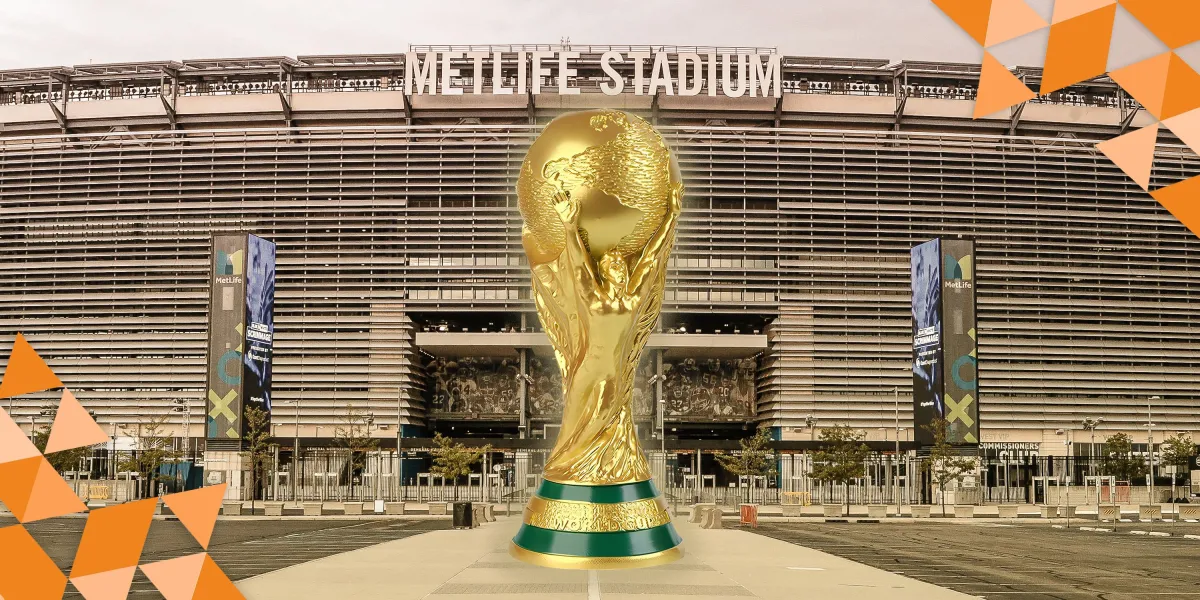 Photo: 2026 World Cup, via static0.givemesportimages.com
Consider the case of several breakout stars from the tournament. Without naming specific players to avoid speculation, the pattern shows attacking midfielders and wingers are particularly vulnerable to this phenomenon. These positions require creativity and flair that can flourish in tournament settings but struggle under the tactical rigidity and defensive focus of top-level club football.
The Tactical Reality Check
Club football's tactical sophistication presents challenges that international tournaments often mask. At the World Cup, teams have limited preparation time and face opponents they may encounter once every four years. This creates opportunities for individual brilliance to shine through tactical gaps.
In contrast, club football involves facing the same tactical setups repeatedly, with opponents who have weeks to study video and prepare specific plans to neutralize threats. A player who terrorized full-backs at the World Cup suddenly finds himself facing defenders who have studied every one of his moves and developed countermeasures.
The data supports this tactical reality. According to transfer market analysts, players who rely heavily on pace and direct running showed the steepest decline in performance metrics when transitioning from World Cup to club football. Meanwhile, technically gifted players with strong positional awareness have maintained closer to their tournament levels.
The American Market Premium
The 2026 World Cup's location created a unique market dynamic that may have artificially inflated transfer values. With matches played in front of sold-out NFL stadiums and a global television audience that included millions of new American soccer fans, commercial considerations played a larger role than usual in transfer valuations.
European clubs, eager to tap into the growing American market, paid premiums for players who had captured the imagination of US audiences. Marketing departments influenced transfer decisions in ways that pure sporting merit might not have justified. This commercial element added millions to transfer fees, creating unrealistic expectations for players who were never worth their headline price tags.
Industry sources suggest that several high-profile moves included clauses specifically related to commercial opportunities in North America, indicating that clubs were paying for marketing potential as much as footballing ability.
The Vulnerable Archetypes
Certain types of players have proven particularly susceptible to the World Cup premium trap. Young attacking players (ages 21-24) who had breakthrough tournaments represent the highest risk category. These players often lack the experience to handle sudden fame and the pressure of massive transfer fees.
Playmakers who thrived in international football's more open, less defensive style have struggled most with the tactical intensity of elite club competition. Their World Cup highlight reels featured moments of brilliance that proved difficult to replicate against well-drilled club defenses.
Conversely, defensive players and holding midfielders have generally justified their post-World Cup moves better. Their contributions are less dependent on individual moments of magic and more on consistent, disciplined performance that translates more directly between international and club football.
The Adaptation Timeline
Football analysts suggest that truly evaluating World Cup-influenced transfers requires at least 18 months of data. Many players need a full season to adapt to new tactical systems, languages, and cultural environments. The pressure of living up to inflated transfer fees can create a negative feedback loop that actually hinders performance.
Some clubs are beginning to structure deals differently to account for this reality. Performance-related bonuses tied to long-term success rather than immediate impact are becoming more common. This approach protects clubs from overpaying for tournament magic while giving players time to prove their true worth.
Learning From History
The pattern of World Cup inflation followed by club-level disappointment isn't unique to 2026. Previous tournaments have created similar dynamics, but the scale of spending following the American World Cup has been unprecedented. The combination of increased global attention, commercial opportunities, and inflated market values created perfect conditions for overspending.
Clubs that avoided the most obvious World Cup premium signings and instead focused on players with consistent club track records have generally fared better in the months since. This suggests that traditional scouting wisdom – prioritizing sustained performance over tournament highlights – remains the most reliable approach to transfer success.
The 2026 World Cup will be remembered for bringing soccer to new heights in America, but its transfer market legacy may serve as a cautionary tale about the dangers of letting tournament magic override sound sporting judgment.