
Squad Number Standoffs: How Jersey Digits Became Football's Most Expensive Status Symbol
In the high-stakes world of football transfers, negotiations can collapse over the smallest details. But in 2026, one particular sticking point has emerged as an unexpected dealbreaker: squad numbers. What was once a simple administrative decision has evolved into a complex negotiation tool that's costing clubs millions and forcing recruitment departments to factor jersey digits into their strategic planning.
The trend represents a fundamental shift in how players view their professional identity, with specific numbers becoming as important as salary figures or playing time guarantees. For clubs across the Premier League, Serie A, and Major League Soccer, accommodating these demands has created an entirely new category of transfer complications.
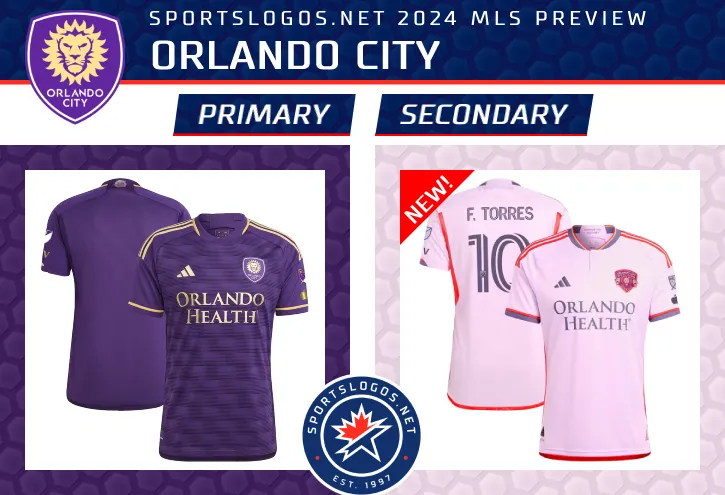 Photo: Major League Soccer, via content.sportslogos.net
 Photo: Premier League, via static.wixstatic.com
The Psychology Behind the Numbers
The obsession with specific squad numbers isn't purely about superstition or personal preference—it's about brand building in an era where individual player marketing has never been more valuable. A player's number becomes integral to their commercial identity, appearing on everything from social media handles to endorsement campaigns.
"Players understand that their number is part of their personal brand," explains a leading football agent who has negotiated several high-profile deals in 2026. "When you're building a global following, consistency matters. Changing from number 10 to number 23 isn't just about what's on your back—it's about maintaining the commercial value you've built over years."
This commercial reality has transformed squad number allocation from a routine pre-season task into a strategic business decision. Clubs now must consider not just tactical fit and squad harmony, but also the marketing implications of their numbering choices.
When Deals Nearly Die Over Digits
The financial impact of these negotiations extends far beyond the obvious. One Premier League club reportedly came within hours of losing a €50 million signing because the player's preferred number was occupied by a squad player earning one-tenth the salary. The resolution required the club to offer the existing number holder a new contract with improved terms, plus a €200,000 "goodwill payment" to encourage the switch.
Similar scenarios have played out across Europe's elite leagues. A Serie A giant delayed announcing a marquee signing for three weeks while negotiating a complex number swap involving four different players. The final agreement included modified contract terms for two players who weren't even part of the original transfer.
In MLS, where Designated Player slots carry enormous commercial significance, number negotiations have become particularly intense. One Western Conference club's pursuit of a South American star nearly collapsed when they couldn't secure his preferred number 11, which was held by a homegrown player whose local marketing deals specifically referenced the digit.
The Hidden Costs of Squad Number Politics
Beyond direct financial compensation, clubs are discovering numerous hidden costs associated with these negotiations. Legal departments must now draft specific clauses addressing number allocation scenarios. Marketing teams need contingency plans for commercial campaigns that might need to change based on squad number outcomes. Even kit manufacturers have had to adjust their production timelines to accommodate late-breaking number changes.
One Bundesliga club's commercial director revealed they now budget an additional €500,000 annually for "number-related complications," covering everything from contract modifications to reprinting marketing materials when number swaps occur.
The situation has become so complex that some agents now specialize specifically in squad number negotiations, commanding fees of €50,000 or more just to navigate the diplomatic challenges of moving players between digits.
MLS: Where Numbers Meet Salary Cap Reality
Major League Soccer's unique salary cap structure has created particularly interesting dynamics around squad number negotiations. Because every dollar counts toward cap calculations, clubs must be creative in how they compensate players for number changes without triggering additional cap penalties.
Some MLS clubs have begun offering non-salary benefits like enhanced image rights deals, premium parking spaces, or even cryptocurrency bonuses to facilitate number swaps. One Eastern Conference team reportedly offered a player's family free season tickets to all other professional sports teams in the city to secure a number change that enabled a crucial summer signing.
The league office has taken notice, with sources indicating that future Collective Bargaining Agreement discussions may include specific provisions addressing squad number-related compensation to prevent these arrangements from becoming salary cap loopholes.
The Retirement Number Revolution
An unexpected consequence of this trend has been the emergence of "number inheritance" negotiations. When legendary players retire, clubs are discovering that the commercial value of their former numbers can be leveraged in recruiting new stars.
Several European clubs have implemented formal "number legacy" programs, where retired icons maintain some commercial connection to their former digits while new signings gain access to the marketing power those numbers represent. These arrangements often include revenue-sharing components that can be worth hundreds of thousands annually.
Technology Solutions and Future Trends
Recognition of this issue has spawned innovative technological solutions. Several clubs now use sophisticated modeling software to predict the commercial impact of different number combinations across their squad. Some organizations maintain detailed databases tracking which numbers are available at rival clubs, helping them identify transfer targets who might be motivated to move partly due to number availability.
Player tracking applications have begun including squad number history as a standard data point, while some agents maintain proprietary databases of their clients' number preferences to facilitate future negotiations.
The Strategic Response
Forward-thinking clubs are adapting their recruitment strategies accordingly. Some organizations now factor potential number conflicts into their initial target assessment, while others have begun offering number guarantees as part of their initial recruitment pitch to high-priority targets.
A few clubs have gone so far as to implement "number banks," keeping certain prestigious digits available specifically for future signings rather than assigning them to current squad players.
As football's commercial landscape continues evolving, expect squad number negotiations to become even more sophisticated, with clubs that master this seemingly trivial aspect of player recruitment gaining genuine competitive advantages in an increasingly complex transfer market.