The Social Media Signing: How Transfer Announcements Became a Billion-Dollar Branding Arms Race

Photo: Stephen Craven , CC BY-SA 2.0, via Wikimedia Commons
When Inter Miami unveiled Lionel Messi's arrival with a $200,000 production featuring drone cinematography, custom animations, and a collaboration with Netflix, they weren't just announcing a transfer — they were launching a marketing revolution that has fundamentally transformed how football clubs approach player signings.
Two years later, the transfer announcement has evolved from a simple press release into a sophisticated branding exercise that can cost more than some clubs' entire marketing budgets. In 2026, the average Premier League club spends $75,000 per major signing announcement, while top-tier reveals can exceed $300,000 in production costs.
The American Innovation
American clubs, unburdened by European football's traditional conservatism, have emerged as the creative leaders in transfer announcement content. Their approach draws heavily from entertainment industry practices, treating each signing as a product launch worthy of Super Bowl commercial-level production values.
"We're not just competing for players anymore — we're competing for cultural relevance," explains Jessica Martinez, Creative Director at LAFC. "A player choosing between us and a European club isn't just weighing salary and playing time. They're considering which announcement will make them look cooler to their 10 million Instagram followers."
This shift reflects a broader transformation in football marketing. Players increasingly view their personal brand as equally important to their on-field performance, and the transfer announcement has become the first opportunity to establish that narrative.
The most successful American clubs have built dedicated content teams specifically for transfer announcements. Austin FC employs a full-time "Reveal Specialist" whose sole responsibility is crafting viral signing content. The investment pays dividends: their announcement of Mexican striker Carlos Vela generated 50 million social media impressions and increased jersey pre-orders by 340%.
The Production Value Arms Race
The sophistication of modern transfer announcements would be unrecognizable to football fans from just five years ago. What began as simple "Welcome to the club" graphics has evolved into elaborate productions featuring custom music, celebrity cameos, and cinematic storytelling.
Chelsea's announcement of American midfielder Tyler Adams exemplifies this evolution. The club produced a seven-minute short film featuring Adams navigating London landmarks while wearing the club's jersey, complete with a Hans Zimmer-inspired soundtrack and special effects that cost more than many independent movies.
"We're essentially producing mini-movies for every major signing," notes David Chen, Head of Digital Content at Manchester City. "The announcement video needs to work as a standalone piece of entertainment, not just club communication."
The production process now begins weeks before a transfer is finalized. Clubs create mood boards, hire professional directors, and coordinate with players' personal brands to ensure the announcement aligns with their image goals.
Platform-Specific Strategies
Modern transfer announcements aren't single pieces of content but comprehensive campaigns tailored to different social media platforms. A typical major signing now includes:
- A cinematic reveal video for YouTube and Twitter
- Behind-the-scenes content for Instagram Stories
- Short-form teasers optimized for TikTok
- Interactive content for club apps and websites
- Podcast appearances and exclusive interviews
Clubs are increasingly hiring platform specialists who understand the unique requirements of each social network. TikTok announcements, for example, require different pacing, music selection, and visual styles than traditional YouTube content.
"You can't just repurpose the same content across platforms," explains Sarah Thompson, Social Media Director at Tottenham Hotspur. "TikTok users want authentic, unpolished moments. Instagram demands visual perfection. Twitter needs immediate impact. Each platform requires its own creative approach."
The Celebrity Factor
One of the most significant trends in transfer announcements is the integration of celebrity culture. Clubs are leveraging relationships with musicians, actors, and influencers to amplify their signing announcements beyond traditional football audiences.
Real Madrid's announcement of Kylian Mbappé featured appearances from Bad Bunny and LeBron James, generating coverage in entertainment publications that typically ignore football transfers. The strategy reflects clubs' recognition that modern football competes with all forms of entertainment for audience attention.
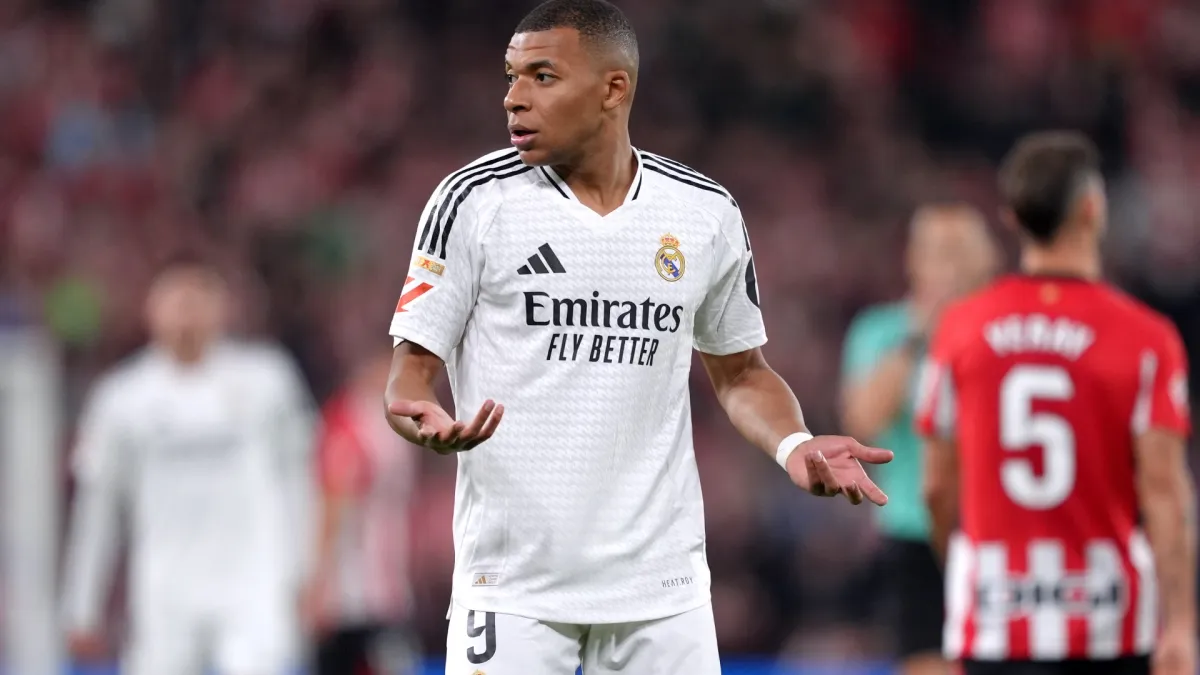 Photo: Kylian Mbappé, via icdn.psgtalk.com
American clubs have proven particularly adept at celebrity integration. When LAFC signed Italian midfielder Federico Chiesa, they coordinated the announcement with appearances on Jimmy Kimmel Live and The Tonight Show, treating the transfer like a Hollywood movie premiere.
The Psychology of Virality
Clubs are increasingly applying data science to transfer announcements, analyzing which elements drive engagement and shares. Heat mapping technology tracks viewer attention during announcement videos, helping teams optimize pacing and visual elements for maximum impact.
"We A/B test everything," reveals Martinez from LAFC. "Music choices, color schemes, even the timing of when we reveal the player's face. Small changes can mean the difference between 100,000 views and 10 million views."
This analytical approach has identified several key factors that drive viral transfer announcements:
- Emotional storytelling that connects the player to club history
- Unexpected elements that subvert viewer expectations
- Interactive components that encourage user participation
- Cultural references that resonate with specific demographics
The Backlash Factor
Not every elaborate transfer announcement succeeds. Several high-profile reveals have backfired spectacularly, creating negative publicity that overshadows the actual signing.
Manchester United's announcement of Mason Mount featured a elaborate spy thriller theme that many fans criticized as tone-deaf given the club's recent struggles. The video generated more mockery than excitement, illustrating the risks of overly ambitious creative concepts.
"There's a fine line between innovative and ridiculous," warns former Arsenal marketing executive Tom Wilson. "Clubs sometimes get so focused on being creative that they forget the announcement needs to make sense for their specific fanbase and club culture."
Fan reaction has become a crucial metric for measuring announcement success. Clubs now monitor sentiment analysis in real-time during reveals, ready to adjust their approach if initial reactions turn negative.
The Financial Impact
The investment in transfer announcements reflects their measurable business impact. Clubs report that viral signing announcements drive significant increases in jersey sales, social media followers, and sponsor engagement.
Inter Miami's Messi announcement generated an estimated $20 million in immediate commercial value through increased merchandise sales and social media growth. The return on their $200,000 production investment was almost immediate.
"A great transfer announcement pays for itself within 48 hours," notes sports marketing analyst Rebecca Foster. "The jersey sales alone usually cover production costs, and that's before considering long-term brand value and social media growth."
Looking Forward
The transfer announcement arms race shows no signs of slowing. Clubs are experimenting with emerging technologies including augmented reality, virtual reality, and AI-generated content to create increasingly immersive experiences.
Several clubs are reportedly developing "announcement universes" — interconnected content series that build anticipation for transfers over weeks or months rather than single-day reveals.
As the line between sports and entertainment continues to blur, transfer announcements have become a crucial battleground for clubs seeking to establish cultural relevance in an increasingly crowded attention economy. For players, the quality of their signing announcement has become almost as important as the contract terms themselves.
The message is clear: in modern football, how you announce a signing can be just as important as who you're actually signing.