The Accidental Superclub: How Post-World Cup Expansion Franchises Are Accidentally Becoming Transfer Market Power Players
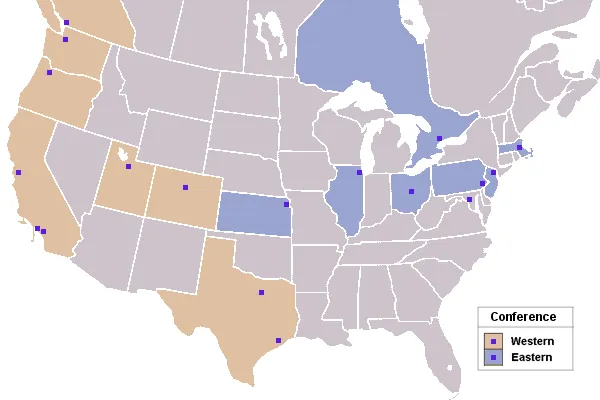
Photo: Major_League_Soccer_team_locations.PNG: The original uploader was Skotywa at English Wikipedia.. Later version(s) were uploaded by Bullshark44, Blackbox77 at en.wikipedia. derivative work: Ottobdn (talk), CC BY-SA 3.0, via Wikimedia Commons
The 2026 World Cup effect has created an unprecedented situation in American soccer: expansion franchises launching with transfer budgets that would make established European clubs envious. As MLS prepares to welcome three new franchises in 2026 and 2027, these teams are entering their inaugural transfer windows with clean salary books, massive investor backing, and zero legacy contracts weighing them down.
The Perfect Storm of Expansion Economics
Unlike traditional MLS expansion teams that entered the league with modest budgets and developmental mindsets, the post-World Cup wave of franchises represents a fundamental shift in American soccer economics. San Diego FC, launching in 2025, and the unnamed franchises set for Las Vegas and Detroit are backed by ownership groups that view the 2026 World Cup as a once-in-a-generation opportunity to establish soccer dynasties on American soil.
 Photo: San Diego FC, via thedroidguy.com
The numbers tell the story. While established MLS clubs like LA Galaxy and Atlanta United are hamstrung by salary cap commitments and aging Designated Player contracts, expansion franchises are entering the market with effectively unlimited spending power for their first three Designated Player slots. Industry sources suggest these new clubs are operating with transfer budgets exceeding $150 million for their inaugural seasons.
"The expansion model has completely changed," explains a senior MLS executive who requested anonymity. "These aren't teams building for the future anymore. They're building to win immediately, and they have the financial firepower to make it happen."
The Legacy Contract Problem
Established MLS clubs face a unique disadvantage in the current transfer market: they're paying for past mistakes. Teams like Toronto FC and Chicago Fire are carrying massive salary commitments for aging stars whose market value has plummeted since signing. Meanwhile, expansion franchises can cherry-pick the best available talent without worrying about fitting new signings into existing wage structures.
This dynamic is already reshaping the summer 2026 transfer window. Reports suggest that San Diego FC has made formal approaches for several South American internationals who would command transfer fees exceeding $30 million — figures that would represent record MLS signings. Established clubs simply cannot compete when they're already paying premium wages for underperforming veterans.
The World Cup Multiplier Effect
The proximity of the 2026 World Cup has created a perfect storm for expansion franchise ambitions. International players who might have previously viewed MLS as a retirement league are now seeing American soccer as a pathway to World Cup selection. This shift in perception, combined with expansion clubs' financial flexibility, is allowing new franchises to target players in their prime rather than settling for aging European veterans.
Las Vegas FC, expected to launch in 2027, has reportedly already begun informal discussions with representatives of several Copa America standouts. The club's ownership group, led by casino magnate Derek Stevens, is understood to be prepared to break MLS transfer records to establish the franchise as an immediate contender.
 Photo: Derek Stevens, via i.pinimg.com
 Photo: Las Vegas FC, via urbanradio.it
The Competitive Balance Question
This expansion franchise advantage raises serious questions about MLS competitive balance. While salary cap rules theoretically level the playing field, the reality is that expansion clubs can exploit loopholes and exceptions that established teams have already exhausted. The Designated Player rule, allocation money, and various cap exceptions create a complex system that favors teams starting with clean books.
"It's almost like these expansion clubs are playing by different rules," notes one veteran MLS general manager. "They can use mechanisms that we've already committed to other players. It's creating a two-tiered system within the league."
International Market Impact
The expansion franchise phenomenon is already influencing international transfer markets. South American clubs, in particular, are increasingly viewing MLS expansion teams as premium buyers willing to pay European-level fees for their best young talent. This shift is driving up prices across the board and forcing established MLS clubs to look elsewhere for value.
Brazilian clubs are reportedly demanding transfer fees 30-40% higher from MLS expansion franchises compared to established American teams, recognizing their superior negotiating position. This premium pricing is creating a bifurcated market where expansion clubs compete directly with mid-tier European sides for talent.
The Long-Term Implications
While expansion franchises enjoy significant advantages in their inaugural transfer windows, questions remain about long-term sustainability. These clubs are front-loading their spending to capitalize on World Cup momentum, but they'll eventually face the same salary cap constraints that limit established teams.
The real test will come in 2027 and 2028, when the first wave of post-World Cup expansion clubs attempt to maintain their competitive advantage while operating under normal MLS financial constraints. By then, their initial Designated Player signings will be aging, and they'll need to navigate the same complex roster construction challenges that currently handicap established clubs.
Looking Ahead
The expansion franchise advantage represents a fundamental shift in American soccer economics. These clubs are leveraging their clean financial slates and World Cup timing to build competitive rosters that established MLS teams simply cannot match. Whether this creates lasting soccer dynasties or expensive cautionary tales will depend on how effectively these franchises convert their initial financial advantages into sustained on-field success.
For American soccer fans, the expansion franchise boom represents an unprecedented opportunity to witness European-level ambition and spending in domestic competition — even if it comes at the cost of traditional competitive balance.