The Forgotten Midfielder Problem: How Clubs Are Stockpiling Expensive Box-to-Box Players With Nowhere to Play

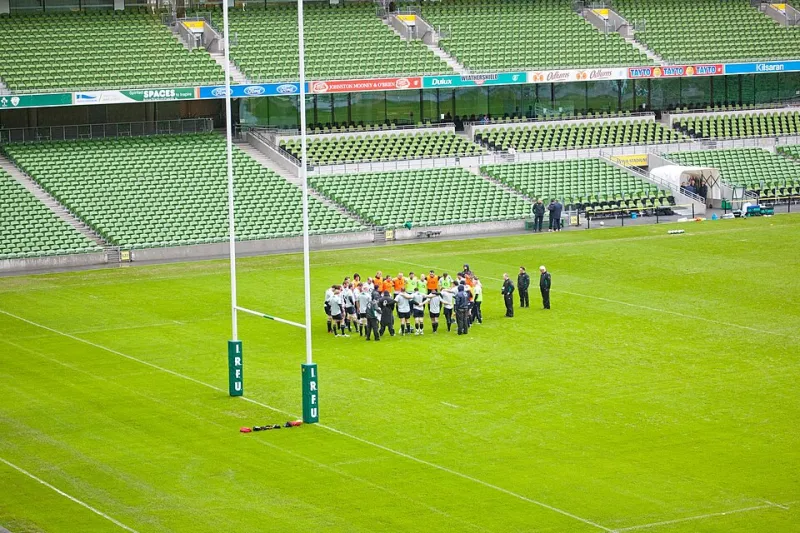
Photo: Hayden Schiff from Cincinnati, USA, CC BY 2.0, via Wikimedia Commons
In the summer of 2023, Chelsea spent £115 million on Enzo Fernández, convinced they'd secured the future of their midfield. Eighteen months later, the Argentine World Cup winner finds himself competing for minutes with seven other central midfielders in a tactical system that barely accommodates two. His situation isn't unique — it's become football's most expensive epidemic.
 Photo: Enzo Fernández, via images.teamtalk.com
Across Europe's elite clubs, a peculiar transfer market phenomenon has emerged: the stockpiling of box-to-box midfielders who, despite their individual quality and hefty price tags, have nowhere to actually play. What was once football's most versatile and valuable position has become its biggest roster management nightmare.
The Great Midfielder Glut of 2026
The numbers are staggering. Manchester United currently has £180 million worth of central midfielders who started fewer than 20 Premier League games this season. Barcelona's midfield acquisitions over the past three transfer windows total €140 million, yet manager Xavi regularly fields formations that use just one traditional central midfielder. Even Bayern Munich, renowned for their squad management, has five players competing for two midfield spots in their preferred 4-2-3-1 system.
This isn't about squad depth — it's about fundamental miscalculation. Clubs have continued purchasing expensive box-to-box midfielders while simultaneously adopting tactical systems that have no use for them. The result is a generation of talented players earning massive wages while contributing little to their team's success.
Consider Juventus midfielder Weston McKennie, whose $25 million transfer fee and $4 million annual salary made him one of the most expensive American exports to European football. Despite his undeniable talent and USMNT importance, McKennie has started just eight Serie A matches this season, a victim of Juventus's tactical shift toward a more defensively oriented midfield structure that leaves no room for his attacking instincts.
 Photo: Weston McKennie, via www.thesportsbank.net
The Tactical Revolution Nobody Saw Coming
The root of this crisis lies in football's rapid tactical evolution. The box-to-box midfielder — a player who contributes equally in defense and attack — was the perfect solution for the 4-4-2 and 4-3-3 formations that dominated football through the 2010s. These systems required midfielders who could cover vast amounts of ground, press aggressively, and contribute goals from deep positions.
But modern football has moved toward more specialized roles. Today's elite teams prefer either defensive midfielders who rarely venture beyond the halfway line or attacking midfielders who contribute little defensively. The middle ground — where box-to-box midfielders traditionally operated — has largely disappeared from tactical blueprints.
Pep Guardiola's influence cannot be understated in this shift. His Manchester City teams have popularized the use of multiple defensive midfielders who rarely venture into the penalty area, combined with attacking players who drop deep to collect the ball. This system has proven incredibly effective, prompting imitation across Europe and rendering traditional box-to-box players obsolete.
 Photo: Pep Guardiola, via www.thesportsbank.net
The Financial Fallout
The economic implications of this midfielder surplus extend far beyond transfer fees. These players command some of football's highest salaries — often £100,000+ per week — while contributing minimal on-field value. For clubs operating under Financial Fair Play regulations, this represents a massive inefficiency that limits their ability to strengthen other areas of the squad.
Paris Saint-Germain exemplifies this problem. The French giants have approximately €35 million tied up in annual salaries for midfielders who rarely start important matches. That's money that could fund significant improvements in defense or attack, areas where PSG have struggled in Champions League competition.
The situation is even more problematic for clubs outside Europe's financial elite. Teams like West Ham and Valencia have invested heavily in box-to-box midfielders, only to discover their tactical limitations make them unsuitable for modern systems. These clubs lack the financial flexibility to simply absorb the loss, creating a cycle where expensive midfielders remain on the roster despite offering little tactical value.
The American Connection
For US soccer fans, this midfielder crisis holds particular significance. American players have historically excelled in box-to-box roles, with their combination of athleticism, work rate, and tactical discipline making them ideal for these positions. Players like Tyler Adams, Yunus Musah, and McKennie built their European careers on this foundation.
However, as European clubs move away from these tactical setups, American midfielders are finding fewer opportunities at the highest level. The pathway that brought players like Michael Bradley and Jermaine Jones to European prominence is becoming increasingly narrow, forcing American talents to either specialize in more defensive roles or accept positions at clubs willing to accommodate their skill set.
This shift also impacts MLS development strategies. American clubs have traditionally focused on producing versatile midfielders who could adapt to various tactical systems. With European clubs no longer valuing this versatility, MLS academies may need to pivot toward developing more specialized players, potentially limiting the tactical flexibility that has been a hallmark of American soccer.
The Exit Strategy Problem
Perhaps the most challenging aspect of the midfielder surplus is finding exit routes for displaced players. Unlike forwards or defenders, whose value can be easily assessed through goals or clean sheets, box-to-box midfielders offer contributions that are harder to quantify and market to potential buyers.
Clubs attempting to sell surplus midfielders often find limited interest, particularly at the salary levels these players command. This creates a vicious cycle where talented players remain at clubs where they don't fit tactically, gradually losing match fitness and market value while consuming significant resources.
Some clubs have attempted creative solutions. AC Milan has experimented with converting box-to-box midfielders into wing-backs, while Atletico Madrid has used them in more advanced attacking roles. However, these positional changes often highlight the players' limitations rather than their strengths, further diminishing their transfer value.
The Loan Carousel
The proliferation of loan deals for expensive midfielders has become another symptom of this crisis. Rather than accepting significant losses on transfer fees, clubs are shipping players out on temporary deals, hoping to maintain their value while freeing up squad space and wages.
This approach rarely works as intended. Loan clubs typically have different tactical systems than the parent club, meaning players often struggle to adapt and showcase their abilities. Meanwhile, the parent club continues paying a portion of the player's wages while receiving little in return beyond roster flexibility.
Chelsea's loan army has become the most visible example of this strategy's limitations. The club has dozens of players on loan across Europe, many of them midfielders who don't fit their current tactical approach. While this strategy might preserve some transfer value, it does little to address the fundamental problem of tactical misalignment.
Lessons for Future Transfer Windows
The midfielder crisis offers several important lessons for clubs navigating future transfer windows. First, tactical fit must take precedence over individual quality when evaluating potential signings. A world-class box-to-box midfielder offers no value to a team that doesn't use box-to-box midfielders.
Second, clubs must resist the temptation to stockpile talent without considering roster construction. Having multiple high-quality players at the same position creates competition but also ensures significant resources are wasted on unused substitutes.
Finally, the crisis highlights the importance of selling players at the right time. Clubs that recognized the tactical shift early and moved their box-to-box midfielders while they still held value avoided the current predicament facing teams like Chelsea and Manchester United.
The Road Ahead
As football continues evolving tactically, the midfielder surplus may eventually resolve itself through natural attrition and tactical adaptation. Some coaches are already experimenting with formations that accommodate multiple central midfielders, potentially creating new opportunities for displaced players.
However, for clubs currently dealing with expensive midfielder stockpiles, the immediate future looks challenging. The transfer market offers little sympathy for poor roster construction, and Financial Fair Play regulations limit clubs' ability to simply absorb losses and start fresh.
The forgotten midfielder problem serves as a cautionary tale about the intersection of tactics and transfers — a reminder that in modern football, individual quality means nothing without tactical fit, and expensive mistakes can haunt clubs for years to come.