The Hollywood Signing Curse: Why the Most Hyped Transfer of Every Summer Window Almost Always Disappoints
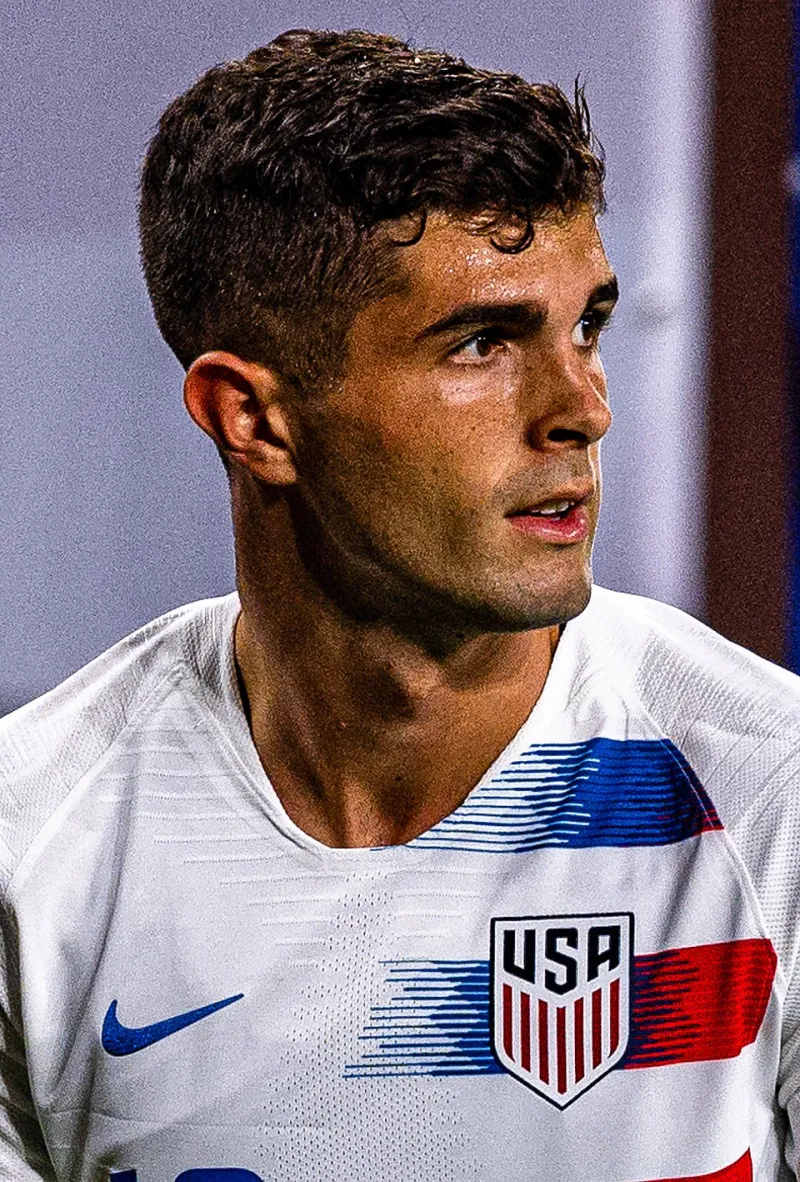
Photo: Erik Drost, CC BY 2.0, via Wikimedia Commons
Every summer, one transfer dominates headlines, breaks social media, and sends fans into overdrive. The announcement videos get millions of views, the jersey sales spike immediately, and expectations soar to impossible heights. Then reality hits, and by Christmas, everyone's wondering what went wrong. Welcome to football's most predictable pattern: the Hollywood Signing Curse.
The data is damning. Over the past decade, fewer than 30% of transfers that generated the most media buzz in their respective windows could be considered successful by any reasonable metric. From Eden Hazard's €100 million Real Madrid disaster to Philippe Coutinho's €142 million Barcelona breakdown, football's biggest spectacles have become its most reliable disappointments.
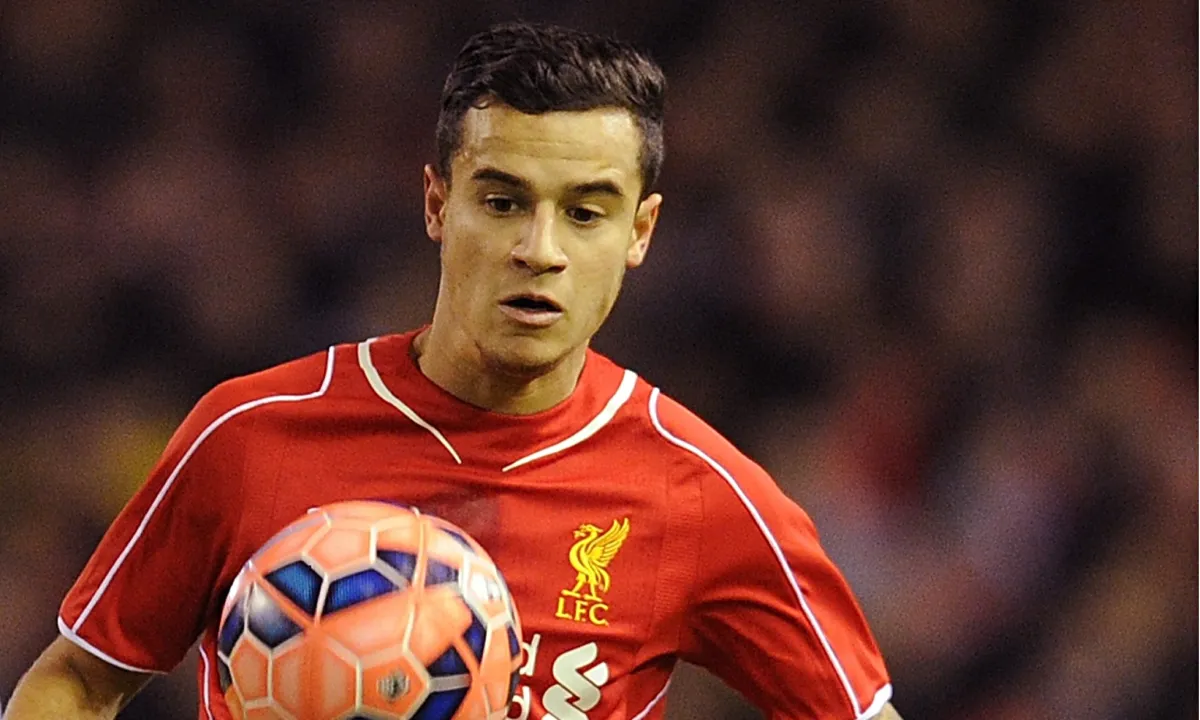 Photo: Philippe Coutinho, via static.guim.co.uk
 Photo: Eden Hazard, via 66.media.tumblr.com
The Anatomy of Hype
Understanding the Hollywood Signing Curse begins with recognizing what creates these mega-transfers in the first place. It's rarely about pure footballing need or tactical fit. Instead, these moves are driven by a toxic combination of commercial pressure, ego, and social media momentum that prioritizes headlines over performance.
The typical Hollywood signing follows a predictable pattern. A superstar player at a slightly smaller club has an exceptional season, generating transfer rumors that snowball across social media. Fans of bigger clubs begin demanding their team "make a statement," while commercial departments see jersey sales and global marketing opportunities. Eventually, a club pays far above market value not just for the player, but for the spectacle itself.
Consider Neymar's €222 million move to Paris Saint-Germain in 2017. The transfer shattered every existing record and dominated global sports coverage for weeks. Yet five years later, PSG had failed to win the Champions League despite building their entire project around the Brazilian. The signing succeeded as marketing theater but failed as football strategy.
 Photo: Neymar, via files.idyllic.app
The Pressure Cooker Effect
Hollywood signings create an impossible standard for success. When a club pays record fees and generates massive publicity, anything short of immediate, transformational impact feels like failure. This pressure affects everyone involved — the player, the coach, teammates, and fans — creating a toxic environment where natural adaptation periods become crisis narratives.
Take Antony's €95 million move to Manchester United in 2022. The Brazilian winger arrived with enormous expectations after United pursued him relentlessly and paid Ajax's asking price without negotiation. Every match became a referendum on whether he was "worth it," every poor performance sparked debates about overpaying, and every goal was analyzed for whether it justified the fee rather than simply helping the team win.
This pressure manifests in tactical rigidity as well. Coaches feel compelled to play expensive signings even when they don't fit the system, leading to awkward formations and unbalanced teams. Players, meanwhile, often try to justify their price tags through individual brilliance rather than team play, creating the exact opposite of what successful football requires.
The Tactical Mismatch Problem
Many Hollywood signings fail because clubs prioritize star power over tactical fit. The most hyped transfers often involve players moving between teams with fundamentally different playing styles, creating integration challenges that smaller, less scrutinized signings avoid.
Philippe Coutinho's Barcelona transfer exemplifies this issue perfectly. The Brazilian thrived at Liverpool in a fluid, counter-attacking system that maximized his creativity and shooting ability. At Barcelona, he was expected to maintain possession, play in tight spaces, and conform to a more structured positional system. The tactical mismatch was obvious to anyone who watched both teams regularly, yet Barcelona paid €142 million anyway.
Similarly, Romelu Lukaku's return to Chelsea for €115 million ignored fundamental tactical incompatibilities. The Belgian striker had succeeded at Inter Milan in a two-striker system that emphasized his hold-up play and finishing ability. Chelsea's fluid front three required different skills entirely, yet the club convinced itself that individual quality would overcome tactical misalignment.
The American Perspective
For US soccer fans, understanding the Hollywood Signing Curse is particularly important as MLS continues attracting higher-profile players. The league's designated player system creates its own version of mega-signings, complete with press conferences, jersey launches, and inflated expectations.
Recent MLS history shows similar patterns to European football's biggest transfers. Players like Carlos Vela and Lorenzo Insigne succeeded partly because they arrived with less fanfare, allowing them to adapt naturally. Meanwhile, some of the league's most hyped signings — players whose arrivals dominated American soccer coverage — struggled to meet the enormous expectations their transfers created.
The curse also affects how American fans evaluate their own players' moves to Europe. When Christian Pulisic joined Chelsea for €64 million, the transfer generated massive coverage and expectations that may have hindered his development. Every performance became a referendum on American soccer's progress rather than simply a young player adapting to a new league.
Warning Signs to Watch
Several red flags consistently appear before Hollywood signings flop, and American fans can use these indicators to temper their expectations for future mega-transfers:
Record-Breaking Fees: When clubs pay significantly above a player's established market value, it often indicates desperation or poor planning rather than strategic thinking. The most successful transfers typically involve fair market prices that reflect actual value rather than hype.
Positional Uncertainty: If analysts and fans are debating where a new signing will actually play, it suggests the club hasn't thought through tactical integration. The best transfers involve players who clearly fill specific tactical needs.
Social Media Dominance: When transfer announcements focus more on production value than footballing context, it's often a sign that commercial considerations outweighed sporting ones. Successful signings are usually announced with clear explanations of tactical fit and role within the team.
Reactive Timing: Hollywood signings often occur in response to external pressure — rival clubs making moves, fan protests, or commercial deadlines. The most successful transfers happen according to long-term planning rather than reactive decision-making.
The Current Crop at Risk
Looking at 2026's transfer landscape, several high-profile moves already show warning signs of the Hollywood Signing Curse. Without naming specific ongoing negotiations, the pattern is clear: clubs are once again prioritizing spectacle over substance, paying premium fees for players who may struggle to meet the enormous expectations their transfers create.
The post-World Cup market has created particular risks, as players who performed well in the tournament command inflated fees despite limited evidence they can replicate that form over a full club season. History suggests these tournament-based valuations rarely translate to club success, yet clubs continue making the same mistakes.
Breaking the Curse
Some clubs have learned to avoid the Hollywood Signing Curse by changing their approach to high-profile transfers. Manchester City, despite spending enormous sums, rarely creates the media spectacle that dooms other clubs' signings. Their transfers are announced matter-of-factly, with clear tactical explanations and realistic expectations.
Similarly, clubs like Brighton and Brentford have found success by avoiding the hype cycle entirely, focusing on tactical fit and long-term planning rather than marquee names. Their success rate with new signings far exceeds clubs that chase headlines and social media engagement.
The Verdict
The Hollywood Signing Curse isn't about the quality of players involved — many who flop after mega-transfers go on to succeed elsewhere. Instead, it's about the impossible expectations, tactical mismatches, and commercial pressures that surround football's biggest spectacles.
For American soccer fans watching this summer's transfer theater unfold, skepticism should be the default response to any move that dominates social media feeds and breaks fee records. The most successful transfers are usually the ones that make tactical sense first and generate headlines second — a lesson that applies whether you're following European giants or MLS designated player signings.
In football, as in Hollywood, the biggest productions often disappoint while smaller, more thoughtful projects quietly succeed. The curse continues because clubs keep prioritizing spectacle over substance, but fans don't have to fall for the same trick every summer window.