The Retirement Fake-Out: Why a Surprising Number of Players Who 'Quit' Football in 2025 Are Already Lining Up Their Next Transfer

Photo: Explicit, CC BY-SA 4.0, via Wikimedia Commons
The Great Disappearing Act of 2025
On March 15, 2025, Italian midfielder Marco Verratti shocked the football world by announcing his immediate retirement from professional soccer. Citing "mental exhaustion" and a desire to "pursue other passions," the PSG star seemed to close the book on a glittering career at just 29 years old.
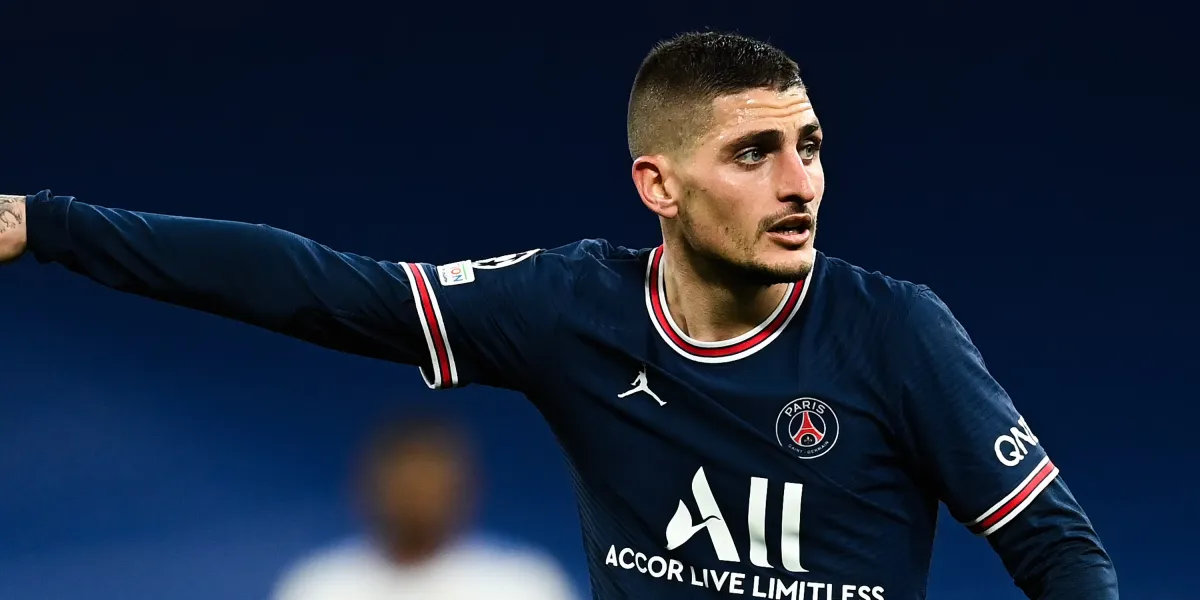 Photo: Marco Verratti, via static0.givemesportimages.com
Six weeks later, Verratti was photographed in Miami wearing an Inter Miami training kit.
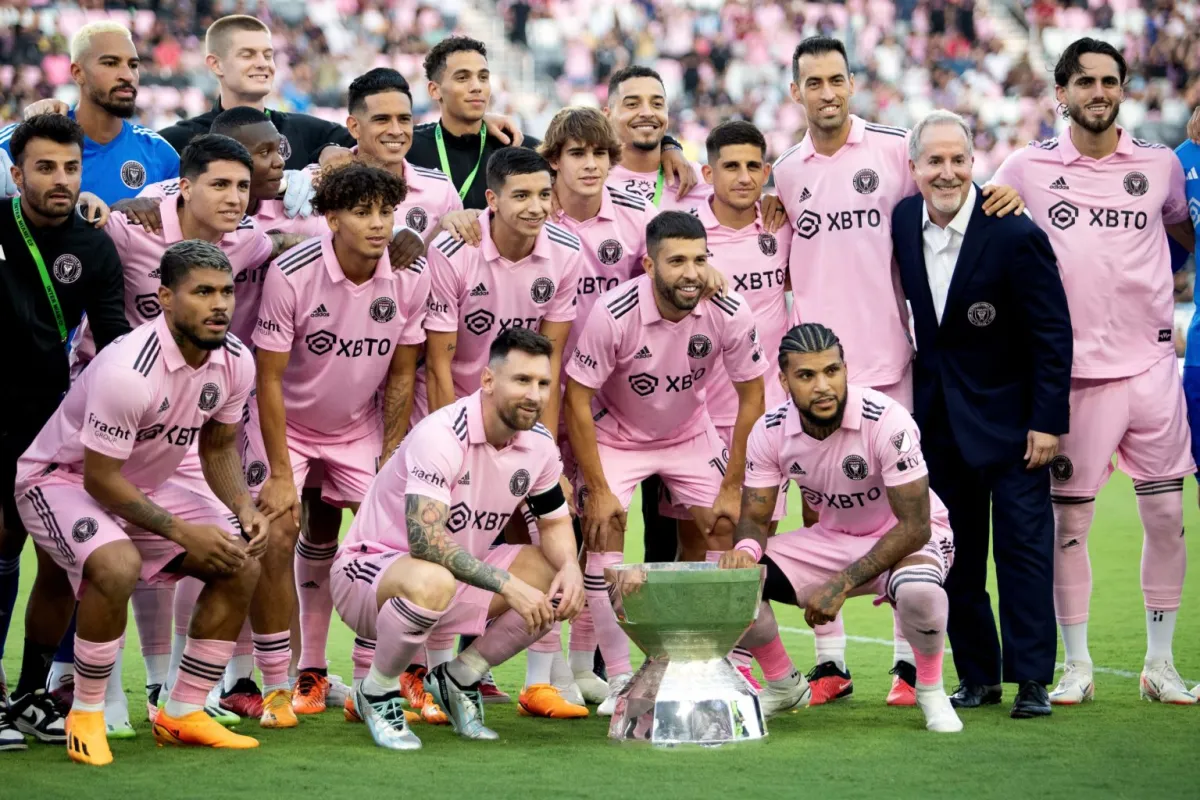 Photo: Inter Miami, via cdn1.intermiami.news
What initially appeared to be career-ending burnout was actually the opening gambit in football's newest transfer strategy: the retirement fake-out, a legal loophole that's allowing players to escape unwanted contracts and resurface at dream destinations with surprising frequency.
The Mechanics of a Modern Miracle
The retirement fake-out exploits a fundamental gap in football's regulatory framework. When a player announces retirement, most contracts include "compassionate release" clauses that allow clubs to terminate agreements without financial penalty, ostensibly to support players facing genuine personal crises.
What the contracts don't account for is players who retire strategically, wait out brief cooling-off periods, and then "unretire" as free agents eligible to sign anywhere.
"It's brilliant in its simplicity," explains sports law attorney Rebecca Martinez. "Retirement isn't a permanent legal status—it's just a temporary cessation of professional activity. Most contracts were written assuming retirement meant retirement, not a strategic sabbatical."
The process typically follows a predictable pattern: announce retirement citing personal reasons, trigger compassionate release clauses, maintain radio silence for 30-90 days, then emerge as a free agent with a pre-negotiated deal at a preferred destination.
The 2025 Retirement Wave
Verratti wasn't alone in his sudden career reconsideration. At least seventeen high-profile players announced retirement in 2025, only to return to professional football within six months. The trend spans leagues and continents, suggesting coordinated exploitation of regulatory weaknesses rather than coincidental personal crises.
Spanish defender Sergio Ramos "retired" from Sevilla in May 2025, citing family obligations, before signing with New York City FC in July. Brazilian winger Raphinha announced his departure from Barcelona due to "spiritual awakening" in June, then joined Al-Hilal in September with a contract reportedly worth €40 million annually.
Perhaps most audaciously, German striker Timo Werner retired from RB Leipzig in April 2025 to "focus on environmental activism," only to resurface at AC Milan in August wearing jersey number 11—the same number he'd worn throughout his supposed retirement.
 Photo: AC Milan, via img.staticdj.com
The Agent Underground
Player agents have become the masterminds behind these elaborate schemes, using retirement announcements to circumvent transfer fees and contractual obligations that would otherwise prevent desired moves.
"We call it 'going dark,'" reveals one prominent agent, speaking on condition of anonymity. "It's become a standard service we offer to clients stuck in problematic situations. Why pay €50 million in transfer fees when you can engineer a free transfer through temporary retirement?"
The strategy is particularly attractive to players in the final years of lucrative contracts who want to move to specific destinations. Rather than forcing clubs to negotiate expensive transfers, agents orchestrate retirements that clear contractual obstacles while maintaining plausible deniability about pre-planned moves.
Sources within the agency world suggest that at least €300 million in potential transfer fees were avoided through strategic retirements in 2025, representing a massive shift in market dynamics that traditional clubs are struggling to counter.
Legal Grey Areas and Regulatory Gaps
The retirement fake-out exists in a legal grey area that governing bodies are scrambling to address. Current FIFA and UEFA regulations treat retirement as a legitimate personal choice that trumps contractual obligations, creating space for the strategic exploitation now reshaping the transfer market.
"The rules were written with genuine career-ending situations in mind," explains FIFA legal consultant David Thompson. "We never anticipated players would weaponize retirement as a transfer strategy. The regulatory framework simply isn't equipped for this level of strategic manipulation."
Attempts to investigate suspicious retirements face significant legal hurdles. Proving that a retirement was strategically motivated rather than genuinely personal requires access to private communications and decision-making processes that players and agents carefully protect.
Several clubs have initiated legal challenges, arguing that strategic retirements constitute breach of contract and fraud. However, early court decisions have favored players, with judges reluctant to second-guess personal decisions about career continuation.
The Compensation Conundrum
Clubs are beginning to suffer significant financial losses as valuable assets disappear through strategic retirements. PSG lost Verratti's €60 million transfer value when he retired, while Barcelona forfeited potential €35 million in Raphinha fees.
"It's devastating for squad planning and financial projections," admits one Serie A general manager. "We budget for transfer income that evaporates overnight when players choose nuclear retirement options. The market becomes unpredictable when anyone can simply disappear."
Some clubs are attempting to recoup losses through insurance claims, arguing that strategic retirements constitute unforeseen circumstances covered by player value policies. Insurance companies are pushing back, leading to a wave of litigation that could reshape how player assets are protected.
The MLS Advantage
Major League Soccer's unique contract structure has inadvertently protected American clubs from retirement fake-outs. The league's salary cap and designated player rules create natural barriers to the high-value contracts that typically motivate strategic retirements.
"Our system makes it harder for players to game retirements because the financial incentives are different," notes MLS Players Association executive director Bob Foose. "When contracts are more standardized and movement is more regulated, there's less motivation to pursue extreme measures."
However, MLS clubs are benefiting from the chaos in other leagues. Inter Miami's acquisition of Verratti through his retirement loophole represents exactly the type of marquee signing that American soccer has historically struggled to secure through traditional transfer channels.
The Governing Body Response
FIFA and UEFA are working on emergency regulations to address retirement fake-outs before they become standard practice. Proposed changes include mandatory cooling-off periods, financial penalties for clubs signing recently retired players, and enhanced scrutiny of retirement circumstances.
"We're looking at implementing a two-year restriction on re-entering professional football after retirement announcements," reveals a senior UEFA official. "The goal is to ensure that retirement means retirement, not a strategic pause for contract optimization."
The challenge lies in balancing legitimate player welfare concerns with preventing system abuse. Overly restrictive regulations could harm players facing genuine personal crises, while weak enforcement invites continued exploitation.
The Future of Strategic Retirement
As governing bodies develop countermeasures, agents and players are already evolving their strategies. Some are exploring partial retirements that maintain amateur status while preserving professional eligibility, while others are investigating mental health sabbaticals that provide similar contractual escape routes.
"This is just the beginning," predicts sports law expert Martinez. "As long as contracts contain compassionate release mechanisms, creative minds will find ways to exploit them. The retirement fake-out is probably just the first iteration of a much larger trend."
The ultimate resolution may require fundamental changes to how football contracts address player welfare and personal choice. Until then, fans should probably take retirement announcements with a grain of salt—in modern football, saying goodbye doesn't always mean farewell.
The Accountability Question
As the 2026 transfer window approaches, the football world faces a crucial decision about accountability and integrity in player movement. The retirement fake-out represents either innovative problem-solving or systematic fraud, depending on your perspective.
What's certain is that current regulations are inadequate for the creative strategies now reshaping how players change clubs. Whether governing bodies can close these loopholes before they become standard practice will determine if football's transfer system maintains any semblance of predictability and fairness.
For now, when a star player announces sudden retirement, smart money says they're probably just getting started.