The Derby Discount: How Club Rivalries Are Quietly Suppressing Transfer Fees — And Making the 2026 Market More Expensive for Everyone

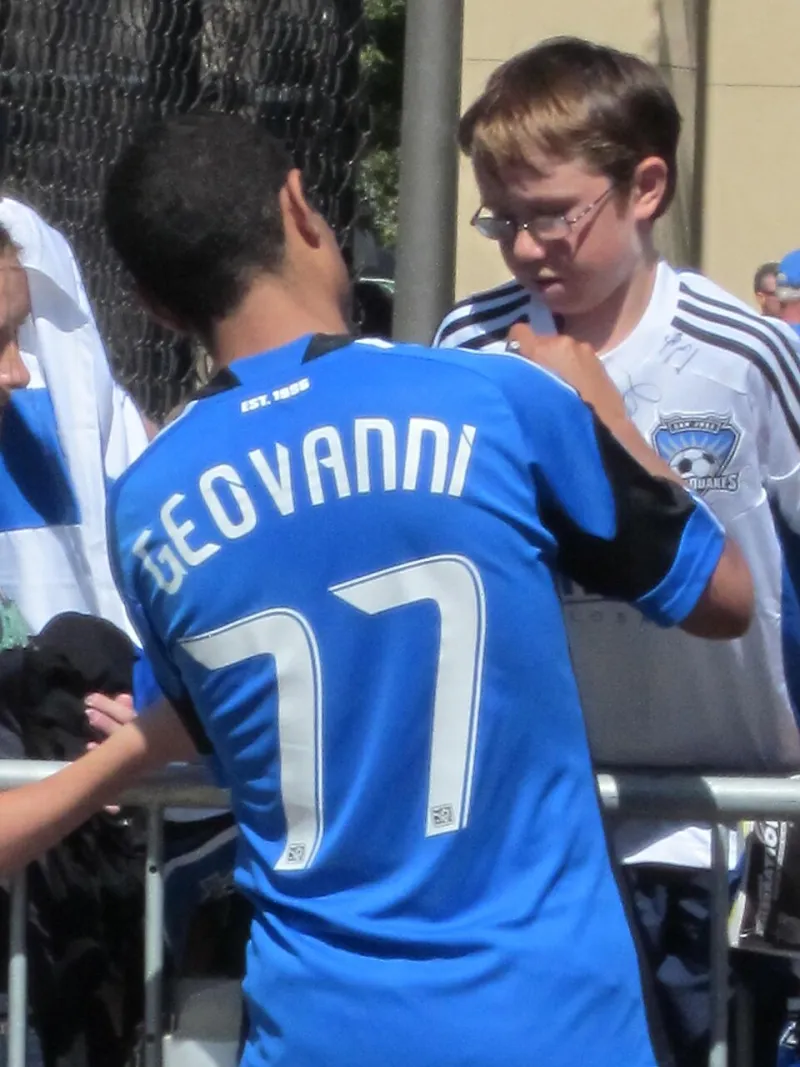
Photo: Belfast Trojans, CC BY-SA 4.0, via Wikimedia Commons
In the conventional economic model of football transfers, a player's value is determined by age, output, contract length, and positional scarcity. In the real transfer market of 2026, there is a fifth variable that appears in no spreadsheet but shapes a surprising number of negotiations: which shirt the player wore last.
Specifically, whether that shirt belonged to a rival.
Footie Transfer News has spoken with agents, club executives, and transfer intermediaries across multiple leagues who confirm that what the industry has begun informally calling the "rivalry tax" — a measurable distortion in transfer fees caused by deep-seated club enmity — is becoming an increasingly significant factor in how deals are structured, priced, and in some cases, abandoned entirely.
The phenomenon is not new. But in 2026, with MLS expansion having created a fresh wave of derby relationships across American cities, and European clubs navigating a transfer market already stretched by post-World Cup inflation, the financial consequences of football tribalism are landing harder than ever before.
How the Tax Works — In Both Directions
The rivalry tax operates as a double-sided distortion, and understanding it requires recognizing that it punishes both the buyer and the seller in different ways.
On the buyer's side, the dynamic is relatively straightforward: clubs are reluctant to pay full market value for a player whose previous club is a direct rival, partly for sporting reasons — a reluctance to be seen rewarding the enemy — and partly for commercial and fan-relations reasons that are harder to quantify but equally real. A player arriving from across the derby divide carries a reputational freight that some clubs price as a liability rather than an asset.
The result is a systematic undervaluation. Sources indicate that in several 2026 negotiations involving intra-city transfers, the buying club's opening offer was between 15 and 25 percent below the independently assessed market value — a discount that agents and selling clubs attribute directly to the rivalry dynamic rather than any genuine reassessment of the player's quality.
On the seller's side, the distortion runs in the opposite direction. Clubs are sometimes unwilling to sell to a local rival at any reasonable price, concerned that strengthening a direct competitor — even through a commercially sound transaction — represents a strategic own goal. The result is an inflated asking price designed not to reflect value but to deter a specific buyer, or a flat refusal to engage that leaves the player's transfer options artificially constrained.
"I have had deals fall apart because the selling club would simply not move the player to a crosstown rival at any price that made financial sense," one senior agent told Footie Transfer News. "The player's value on the open market was clear. But to that specific buyer, the seller wanted a number that was punitive rather than commercial. It is tribalism wearing a business suit."
Europe's Long History With the Problem
The rivalry tax is most visibly documented in the major European leagues, where city derbies carry decades of institutional memory. Transfers between Manchester's two clubs, between Arsenal and Tottenham Hotspur, or across the Glasgow divide have historically been treated as extraordinary events precisely because the commercial logic of such moves is routinely overridden by the political and emotional weight of the rivalry.
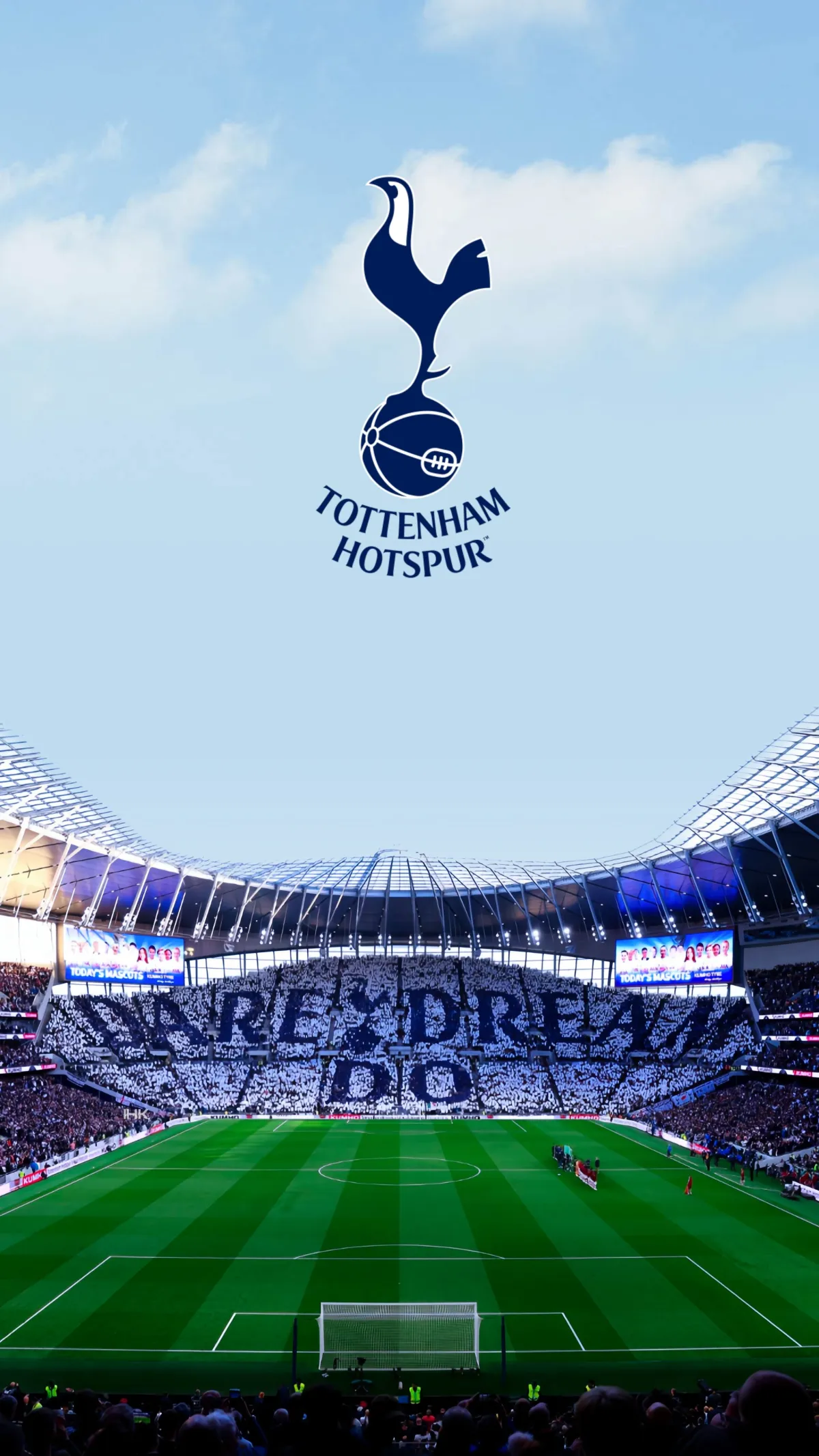 Photo: Tottenham Hotspur, via i.pinimg.com
What has changed in 2026 is the scale and frequency with which the distortion is being felt. The post-World Cup transfer market has driven fees upward across the board, meaning that even a 20 percent rivalry discount on a player valued at €30 million represents a €6 million gap that is genuinely difficult to bridge. In a market where every million matters, that kind of structural inefficiency has consequences that ripple well beyond the specific deal in question.
Clubs that cannot acquire players from rival sources at fair value are forced into alternative markets — paying premiums elsewhere, pursuing less suitable profiles, or extending the careers of players who should have been replaced. The rivalry tax, in other words, does not simply affect individual transfers. It distorts squad-building decisions across entire seasons.
MLS: Where New Rivalries Mean New Financial Consequences
If the European dimension of the rivalry tax is a familiar story told at greater financial scale, the MLS dimension is genuinely new — and for American audiences, it is the more revealing half of the picture.
The post-World Cup expansion of MLS has not simply added clubs. It has added derbies. Cities that previously had one franchise now have two. Cities that had two now have geographic and cultural splits that have generated genuine tribal loyalty with remarkable speed. The Portland-Seattle rivalry, the LA derby, the New York-New Jersey dynamic — these are no longer novelties. They are financially consequential relationships that are beginning to replicate the economic distortions long familiar in European football.
Sources familiar with multiple 2026 MLS transfer negotiations confirm that the rivalry dynamic is already influencing fee discussions within the league. In at least two reported cases, a club declined to pursue a transfer target after identifying that the player's most recent MLS employer was a direct conference rival — concerned both about fan reaction and about the implicit signal sent by completing such a transaction.
In another case, a selling MLS club reportedly added a significant premium to its asking price after identifying that the primary interested party was a geographically proximate rival, effectively using the rivalry as a negotiating lever to extract above-market value or deter the transaction entirely.
"The MLS rivalries are young, but they are real," one league-based transfer consultant told Footie Transfer News. "The clubs that pretend they can make purely rational decisions in this market are the ones getting surprised when a deal blows up for reasons that have nothing to do with the player's contract or the fee structure."
The Cost of Irrationality
From a purely economic standpoint, the rivalry tax is a market failure — a systematic deviation from rational pricing driven by factors that have no legitimate bearing on a player's athletic output or commercial value. The player is the same player regardless of which badge he previously wore. His goals count the same. His assists do not carry a rival-club surcharge.
And yet the market persistently prices as though they do.
For clubs and agents navigating this reality, the practical response is increasingly to manage the rivalry dimension as a deliberate variable in transfer strategy. Some agents now routinely advise clients on the potential impact of their club history on future transfer values — a conversation that would have seemed absurd a decade ago but which has become a standard element of career planning in 2026.
For American fans watching MLS rivalries deepen and the transfer market grow more sophisticated, the rivalry tax offers a somewhat uncomfortable lesson: the more meaningful the competition between clubs becomes, the more expensively irrational the transfer market around those clubs tends to get.
Verdict: The rivalry tax is an economically irrational but commercially real phenomenon that is costing clubs money on both sides of the negotiating table — and until the market develops better mechanisms for pricing past affiliations, it will keep doing so.