The Summer School Problem: Why Clubs Are Losing Transfer Targets Because Prospects Won't Give Up Their College Eligibility
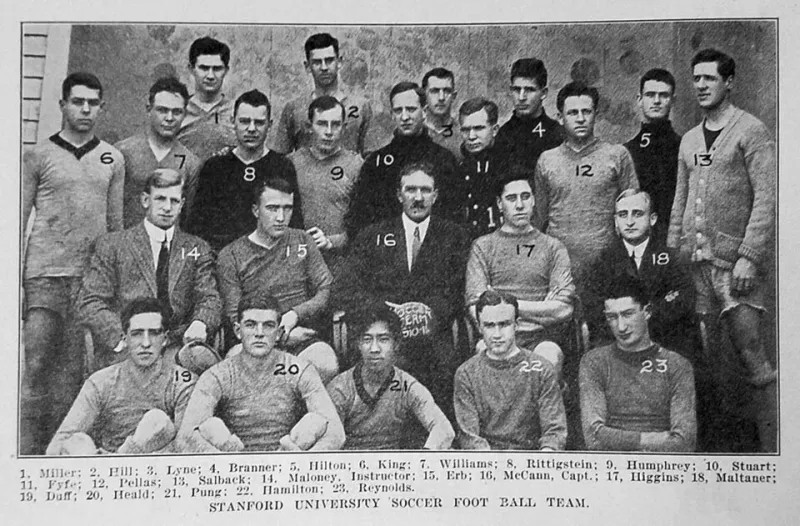
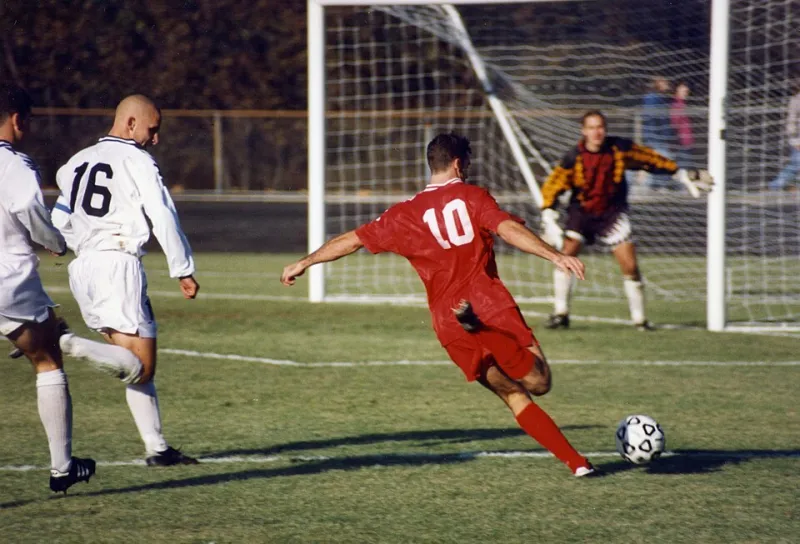
Photo: Unknown authorUnknown author, Public domain, via Wikimedia Commons
The Scholarship Standoff
When Borussia Dortmund scouts first watched Jake Morrison tear through UCLA's midfield last spring, they saw everything they'd been searching for: pace, vision, and the kind of raw athleticism that couldn't be taught. By summer, they'd prepared a €2.3 million offer that would have made the 20-year-old one of the highest-paid American exports in Bundesliga history.
 Photo: Borussia Dortmund, via i.ytimg.com
Morrison turned it down. Not because of money, playing time, or homesickness — but because accepting would have meant forfeiting his senior year of college and the communications degree he was six months away from completing.
"In Brazil, Argentina, anywhere else in the world, a player would have signed immediately," says Klaus Weber, Dortmund's head of American scouting. "But American college soccer creates this parallel universe where talented players have legitimate reasons to say no to professional contracts."
Morrison's case illustrates a growing frustration among European clubs trying to crack the American market. Unlike traditional football academies that funnel players directly into professional systems, the NCAA creates a four-year buffer zone where prospects can develop while maintaining other life options — and increasingly, they're choosing to stay.
The Education Safety Net
The numbers tell the story. According to industry sources, European clubs have seen a 35% increase in transfer rejections from American college players over the past three years. The primary reason isn't financial — it's educational security.
"These kids have full scholarships to world-class universities," explains Dr. Amanda Rodriguez, who studies soccer development at Stanford University. "They're looking at guaranteed degrees from institutions like Duke, Stanford, UCLA. For many families, that's worth more than a speculative football contract."
 Photo: Stanford University, via static.vecteezy.com
The American system creates a unique dynamic. While European prospects typically turn professional at 16-18 or risk being left behind, American college players can develop until age 22-23 while building academic credentials. For many, it's an insurance policy against football career uncertainty.
This cultural difference has caught European scouts off-guard. Teams accustomed to signing 18-year-old prospects for modest fees are finding themselves competing not just with other clubs, but with Duke University and Stanford's computer science programs.
Case Study: The Michigan State Midfielder
Last fall, AC Milan identified Michigan State's Alex Chen as their primary midfield target for the January window. The 21-year-old had everything they wanted: technical ability, leadership qualities, and the versatility to play multiple positions in their system.
Milan's initial offer was substantial — €1.8 million transfer fee plus a four-year contract worth €800,000 annually. For most 21-year-olds worldwide, it would have been life-changing money.
Chen's response surprised everyone: he asked for a six-month delay to complete his mechanical engineering degree. When Milan couldn't guarantee his spot would remain available, Chen chose to stay in college.
"Alex looked at it pragmatically," says his advisor, former MLS player Tony Martinez. "Football careers average 8-12 years. Engineering careers last 40-45 years. The math wasn't complicated."
Milan eventually signed a different player, but the experience highlighted how European clubs' traditional recruitment timelines clash with American academic calendars.
The Graduation Premium
Some clubs are adapting by building graduation timelines into their recruitment strategies. Manchester City reportedly offers "completion bonuses" that increase contract values if players finish their degrees before signing. Other clubs provide educational partnerships, allowing players to continue studies while training professionally.
"We've had to completely rethink our approach to American prospects," admits Pierre Dubois, Lyon's director of international recruitment. "We can't just show up with a contract and expect immediate decisions. These players have alternatives that don't exist anywhere else in world football."
The trend has created a new category of agent — specialists who understand both European football contracts and American academic systems. These advisors help players navigate NCAA eligibility rules while maintaining professional options.
The Transfer Window Timing Problem
European transfer windows create additional complications. January windows often conflict with spring semesters, while summer windows hit during crucial summer courses and internships. Many American prospects simply can't accommodate European clubs' preferred signing timelines.
"We've had three separate deals collapse because players couldn't leave mid-semester without losing academic credits," says agent Sarah Kim, who specializes in American-European transfers. "European clubs think we're making excuses, but NCAA rules are genuinely inflexible."
Some innovative solutions are emerging. Several Premier League clubs now offer "summer start" contracts that align with American academic calendars. Others provide gap-year arrangements that allow players to complete degrees during off-seasons.
The Quality Versus Quantity Debate
Not everyone views the college system as problematic. Some scouts argue that American players who stay in school longer arrive in Europe more mature and better prepared for professional demands.
"The players we get at 22-23 are more complete people," notes Brighton's head scout for the Americas. "They've had time to develop physically and mentally. They understand commitment, time management, pressure. In many ways, they're more ready for professional football than 18-year-old academy products."
This perspective is gaining traction. Several clubs now specifically target American college seniors, viewing them as lower-risk investments compared to younger prospects who might struggle with European lifestyle adjustments.
The MLS Factor
Major League Soccer has capitalized on European clubs' recruitment challenges by aligning their systems more closely with American academic schedules. MLS SuperDraft timing allows college seniors to seamlessly transition to professional contracts without academic disruption.
"MLS understands the American player development timeline," explains former college coach Mike Stevens. "European clubs are still learning that you can't apply Brazilian recruitment models to American college soccer."
This domestic advantage has helped MLS retain more top college talent, though European clubs with deeper pockets can still poach the very best prospects.
Financial Reality Check
The economics of college soccer create additional complications. Full scholarships at elite universities represent significant financial value — often $200,000-300,000 over four years. For middle-class families, walking away from guaranteed education funding for uncertain football contracts feels risky.
"Parents who've saved for college their entire lives don't want to see their kids gamble that money on football careers," explains college soccer analyst Tom Williams. "The scholarship represents security in a way that football contracts, even large ones, often don't."
This financial conservatism has surprised European clubs accustomed to players and families viewing professional contracts as automatic upgrades from amateur status.
Adapting to American Exceptionalism
Smart European clubs are redesigning their American recruitment strategies around academic realities. This includes hiring American-educated scouts who understand NCAA systems, building relationships with college coaches, and offering more flexible contract structures.
"The clubs that succeed in America will be those that respect the college system rather than fighting it," predicts Rodriguez. "American soccer development is different, not inferior. European clubs need to adapt their expectations accordingly."
As American college soccer continues producing higher-quality prospects, European clubs face a choice: modify their recruitment approaches to accommodate academic timelines, or risk losing access to an increasingly important talent pipeline.
For now, the summer school problem represents more than just scheduling conflicts — it's a fundamental clash between American educational values and European football's win-now mentality, with talented young players caught in the middle.