The Tattoo Clause: Why Clubs Are Now Writing Body Art Restrictions Into Player Contracts

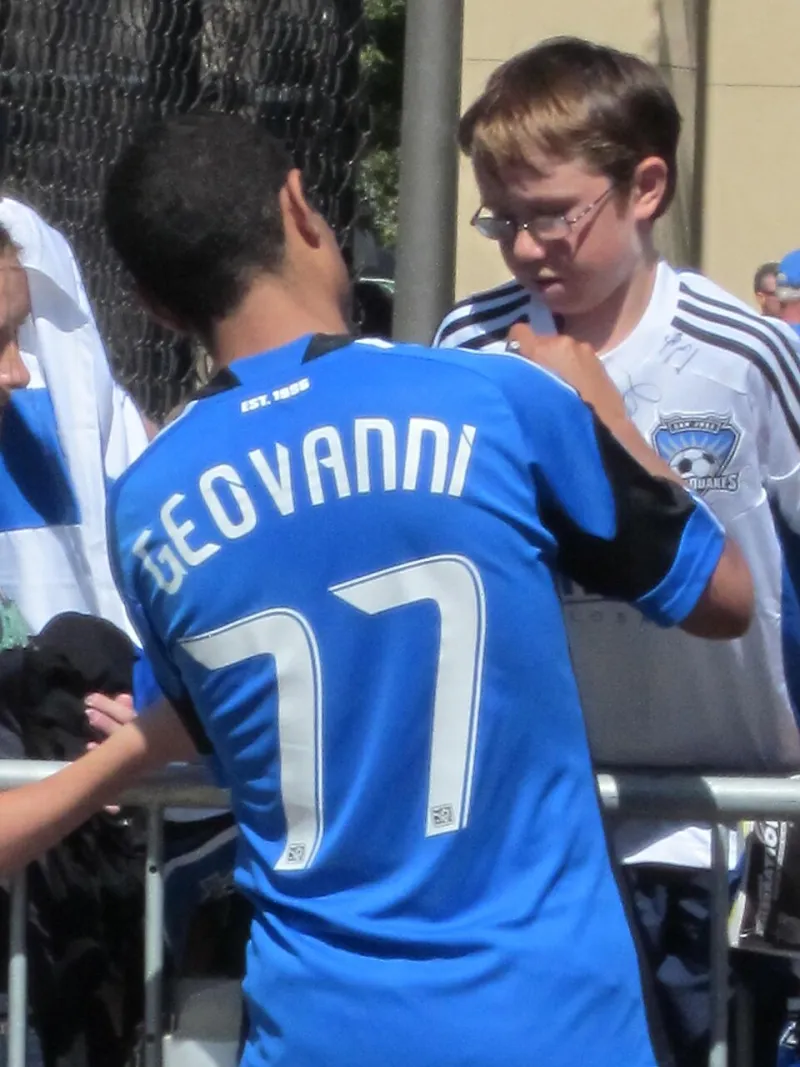
Photo: Gabrielsisu, CC BY-SA 4.0, via Wikimedia Commons
The Million-Dollar Ink Problem
When 22-year-old Brazilian winger Carlos Mendoza arrived at his new Premier League club's medical facility last month, everything seemed routine until the club's commercial director spotted fresh neck tattoos that hadn't been visible in his previous headshots. What followed was a tense 48-hour standoff that nearly derailed a £35 million transfer — all because of four small words hidden in paragraph 47 of his contract: "no visible facial tattoos."
Mendoza's case isn't isolated. Across Europe's top leagues, clubs are increasingly inserting detailed appearance clauses into player contracts, with tattoo restrictions becoming as common as image rights negotiations. The driving force? Sponsorship deals worth hundreds of millions of dollars that come with strict brand guidelines about player appearance.
"We've seen a 300% increase in appearance-related contract clauses over the past two years," says Manchester-based football lawyer Emma Richardson, who specializes in player contracts. "Clubs aren't just buying a player's footballing ability anymore — they're buying their entire public image."
The Family-Friendly Gold Rush
The trend stems from football's aggressive pursuit of family-oriented sponsors. When Disney signed a landmark sleeve sponsorship deal with a major European club last year, the contract included detailed guidelines about player appearance in promotional materials. Similar restrictions have followed from toy companies, children's clothing brands, and even streaming services targeting younger audiences.
These sponsors are paying premium rates — often 40-60% above market value — for the guarantee that their brand won't be associated with what they consider controversial imagery. Face tattoos, neck ink, and even certain symbols or text can trigger penalty clauses worth millions.
"It's not about discrimination," explains Dr. Sarah Chen, a sports marketing professor at Northwestern University. "It's about risk management. These brands have spent decades building family-friendly images, and they're not willing to compromise that for any athlete, regardless of talent."
The Fine Print Gets Specific
Modern appearance clauses read like detailed dress codes. Manchester United reportedly includes restrictions on "visible tattoos above the collar line during official club activities." Bayern Munich's standard contract prohibits "facial modifications including but not limited to tattoos, piercings, and scarification" for all new signings.
 Photo: Bayern Munich, via fc08.deviantart.net
 Photo: Manchester United, via www.pngplay.com
Some clubs have gone further, implementing point systems where different types of body art carry different penalty weights. A small wrist tattoo might cost a player a few thousand in appearance fees, while face ink could void entire commercial bonus structures worth millions annually.
The most aggressive clauses require players to seek written approval before getting new tattoos during their contract period. Paris Saint-Germain reportedly requires 72-hour advance notice for any "significant body modifications," with the club reserving the right to veto designs that conflict with sponsor requirements.
 Photo: Paris Saint-Germain, via thumbs.dreamstime.com
When Fresh Ink Meets Fine Print
The enforcement of these clauses has created some bizarre scenarios. Last season, a Serie A striker was reportedly benched for promotional activities after getting a small face tattoo during the winter break, costing him approximately €200,000 in appearance bonuses.
Another case involved a Premier League midfielder whose new sleeve tattoo violated his club's "family-friendly image" requirements. The solution? The club paid for expensive makeup artists to cover the artwork during all official photoshoots and television appearances.
"Players are caught off-guard because tattoo culture is so normalized in football," says agent Miguel Santos, who represents several South American players in European leagues. "They sign these contracts thinking it's just standard legal language, then discover they've essentially given up control over their own bodies."
The Geographic Divide
Enforcement varies dramatically by league and region. German clubs tend to be most restrictive, often requiring pre-approval for any new tattoos. English Premier League clubs focus primarily on face and neck restrictions. Spanish and Italian clubs typically only intervene when sponsors specifically complain.
MLS presents a unique case study. American clubs, despite their family-friendly marketing approaches, have been more lenient about player tattoos, partly due to different cultural attitudes and partly because their sponsor relationships are structured differently.
"In MLS, we see more flexible interpretation of appearance clauses," notes sports attorney James Mitchell, who works with several American clubs. "The league's younger demographic actually embraces tattoo culture, so sponsors are less likely to object."
The Pushback Begins
Players' unions across Europe are starting to challenge these restrictions as potential violations of personal expression rights. The Professional Footballers' Association in England has filed formal complaints about "overly restrictive appearance clauses" in three separate cases this season.
Some agents are pushing back by negotiating "grandfathering" clauses that protect existing tattoos while restricting new ones. Others are demanding higher base salaries to compensate for potential lost appearance fees.
"It's becoming a genuine negotiating point," explains Richardson. "We're seeing players specifically ask about tattoo policies before agreeing to transfers. For heavily tattooed players, it can be a deal-breaker."
The Unintended Consequences
The restrictions are creating unexpected market effects. Players with extensive existing tattoos are finding their transfer options limited, while "clean-skin" players are commanding appearance fee premiums. Some agents now advise young prospects to delay getting tattoos until after their first major professional contract.
Clubs are also struggling with enforcement consistency. When star players violate appearance clauses, teams often look the other way rather than risk damaging relationships. This selective enforcement has led to locker room tensions and accusations of favoritism.
What's Next for Body Art in Football?
As football's commercial side continues expanding, appearance restrictions are likely to become more detailed and widespread. Some industry insiders predict clubs will eventually require 3D body scans as part of the transfer process, creating permanent records of player appearance for contract compliance.
The trend represents a broader shift in how clubs view player acquisitions — not just as athletic investments, but as comprehensive brand assets that must align with increasingly specific commercial requirements.
For players entering the transfer market in 2026, the message is clear: in modern football, your ink might matter as much as your ability to find the back of the net.