The Third-Kit Clause: How Merchandise Revenue Sharing Is Becoming Football's Most Creative Transfer Negotiation Tool
The Third-Kit Clause: How Merchandise Revenue Sharing Is Becoming Football's Most Creative Transfer Negotiation Tool
The transfer fee headline is, increasingly, a fiction. Not a lie, exactly — more of a carefully constructed approximation that tells you what both clubs agreed to put in a press release while obscuring the considerably more creative financial architecture underneath. Add-ons, performance bonuses, and sell-on clauses have been part of football's deal-making vocabulary for decades. But in the summer of 2026, a new instrument is appearing with growing frequency in transfer negotiations, and it is reshaping how clubs on opposite ends of the financial spectrum find common ground.
It is called, informally, the third-kit clause. And it is exactly what it sounds like.
The Basic Mechanics
Here is how it works in its most straightforward form. Club A wants to sign a player from Club B. Club A values the player at €35 million. Club B, which has watched that player's social media following triple during the World Cup and believes his commercial value is significantly higher than his football market value, wants €48 million. The gap is €13 million. Under traditional negotiation frameworks, that gap gets closed — if it gets closed at all — through add-ons tied to appearances, goals, or Champions League qualification.
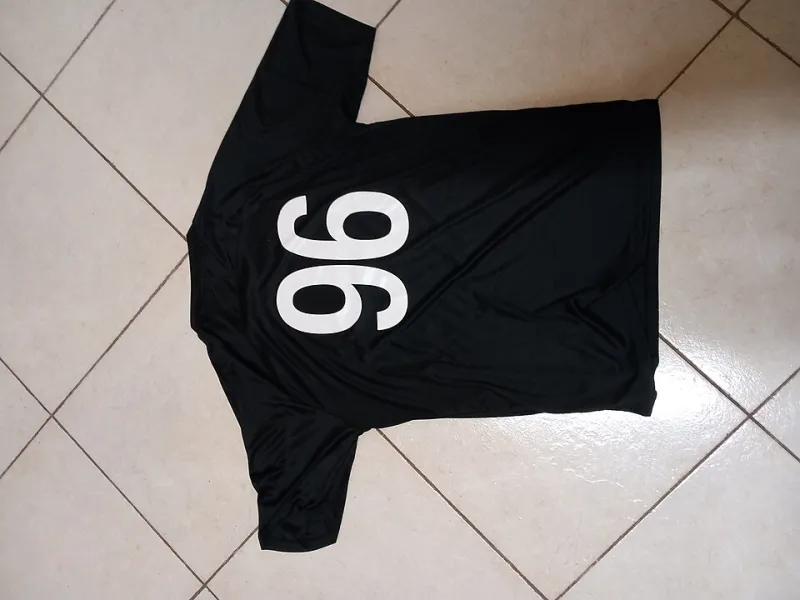
 Photo: World Cup, via theeagleonline.com.ng
But add-ons carry risk for the selling club. If the player gets injured, or the buying club has a poor season, those contingent payments never arrive. What Club B actually wants is guaranteed commercial upside.
Enter the third-kit clause. Club A agrees to pay Club B a structured percentage — typically between four and eight percent, though figures as high as twelve percent have been reported in deals involving players with exceptional social media profiles — of net retail revenue generated specifically by the player's debut third kit, or a designated special-edition jersey release tied to the player's arrival. The payment is triggered by actual sales, not by performance. If the kit sells, Club B gets paid. The timeline is usually capped at eighteen to twenty-four months from the player's registration date.
Why 2026 Made This Trend Inevitable
The conditions that produced this negotiating tool did not appear overnight. Three converging factors made 2026 the year it moved from experimental to mainstream.
First, the World Cup generated a cohort of players whose commercial profiles dramatically outpaced their previous transfer market valuations. A midfielder who was worth €22 million in March became worth €40 million in August — not because his football ability changed, but because he now has 11 million new Instagram followers and a recognizable face in markets where his previous club had zero retail presence. Selling clubs understand this dynamic and want compensation for it.
Second, buying clubs — particularly those in the Premier League and Bundesliga — are under increasing pressure from financial fair play and profit-and-sustainability regulations to manage the amortized cost of transfer fees on their balance sheets. A lower headline fee with a commercial revenue-sharing arrangement attached is structurally preferable to a higher fee, even if the total economic exposure is similar, because the revenue-share payment is categorized differently in club accounting.
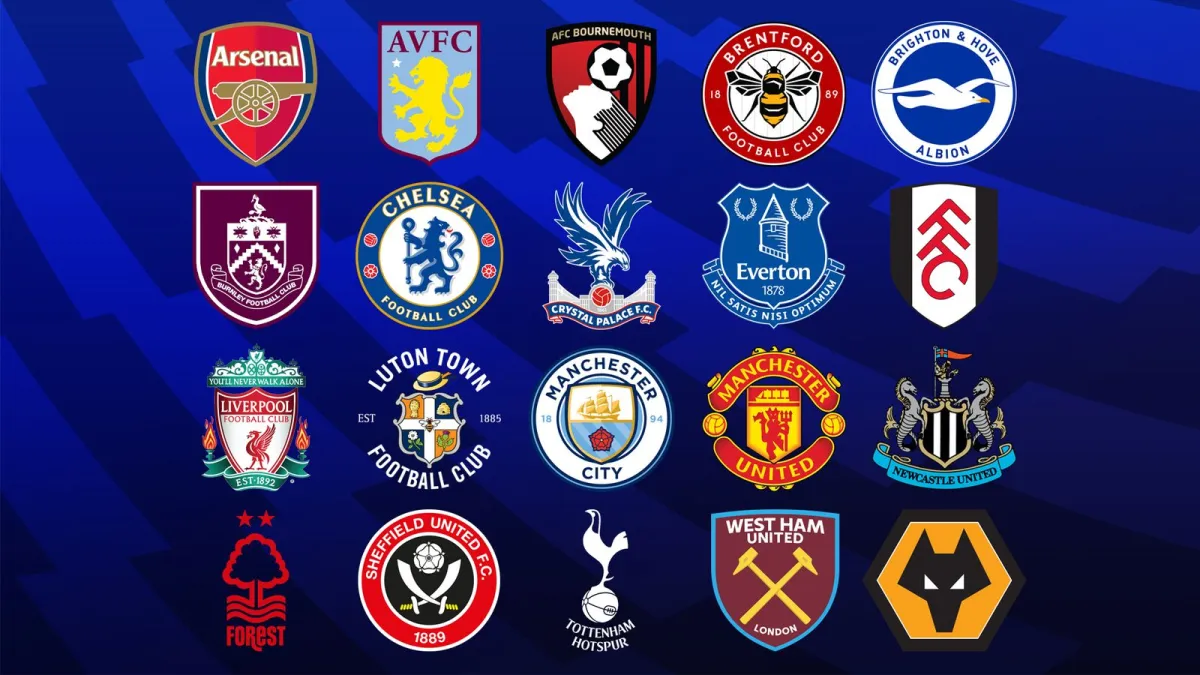 Photo: Premier League, via e0.365dm.com
Third, kit manufacturers have become active participants in transfer negotiations in ways that would have seemed unusual five years ago. Several major sportswear brands now include clauses in their club sponsorship contracts that provide additional marketing budget specifically for debut kit launches tied to marquee signings. That budget effectively subsidizes the revenue-share payment, making the arrangement more attractive for buying clubs than it would otherwise be.
The Accounting Problem Nobody Wants to Discuss
Football finance specialists are watching this trend with a mixture of professional fascination and genuine concern. The core issue is one of valuation consistency.
Kit revenue is not a stable or easily audited figure. It varies by geography, retail channel, timing of release, and the broader commercial environment. When a selling club negotiates a percentage of 'net retail revenue,' the definition of 'net' becomes a significant point of contention. Does it account for returns? Wholesale discounts? Digital versus physical sales? Licensing agreements with third-party retailers in markets where the buying club does not directly control distribution?
Sources with knowledge of at least two disputes currently in mediation between European clubs describe situations where the selling club's commercial team calculated an expected payment significantly higher than what the buying club's finance department processed, because the two sides had applied different interpretations of the contractual language to the same underlying sales data.
Football's governing bodies have not yet issued standardized accounting guidance on how these arrangements should be reported in club financial disclosures. Until they do, the creative ambiguity that makes third-kit clauses attractive to negotiators is also the ambiguity that will eventually produce litigation.
What This Means for American Fans
For supporters in the United States, where MLS clubs are increasingly active participants in the international transfer market, this trend has a specific relevance. Several MLS clubs have used kit revenue-sharing arrangements in negotiations with South American and European selling clubs, leveraging the commercial potential of the US market — and the proven appetite of American fans for replica jerseys — as a genuine negotiating asset.
It is a legitimately clever piece of financial engineering. Whether it remains so depends entirely on whether football's regulators decide to standardize how these arrangements are documented, valued, and disclosed. Until that happens, the third-kit clause will continue doing what it was designed to do: making both sides of a transfer table feel like they won, at least until the royalty statement arrives.