The Pronunciation Problem: How Mispronouncing Player Names Is Costing American Broadcasters Credibility — And Transfer Deals
The Name Game That's Changing Transfer Priorities
In the boardrooms of Europe's elite clubs, a peculiar conversation is becoming increasingly common. When agents pitch American destinations to their star clients, they're not just discussing salary packages or playing time anymore. They're asking a question that would have seemed absurd a decade ago: "Can the commentators pronounce your name?"
The answer, it turns out, is reshaping how global soccer talent views the American market.
"I've had three separate instances this year where pronunciation was explicitly mentioned as a factor in a player's decision," reveals Maria Santos, a Madrid-based agent who represents several South American internationals. "Players want to feel respected, and constantly hearing your name butchered on national television doesn't feel like respect."
The issue gained prominence during the 2025 MLS season when Atlanta United's new signing, Croatian midfielder Zvonimir Boban Jr., publicly criticized Fox Sports commentators for "not even trying" to pronounce his name correctly throughout their playoff coverage. The clip went viral, accumulating over 2 million views and sparking a broader conversation about cultural sensitivity in American soccer broadcasting.
 Photo: Atlanta United, via wallpapercave.com
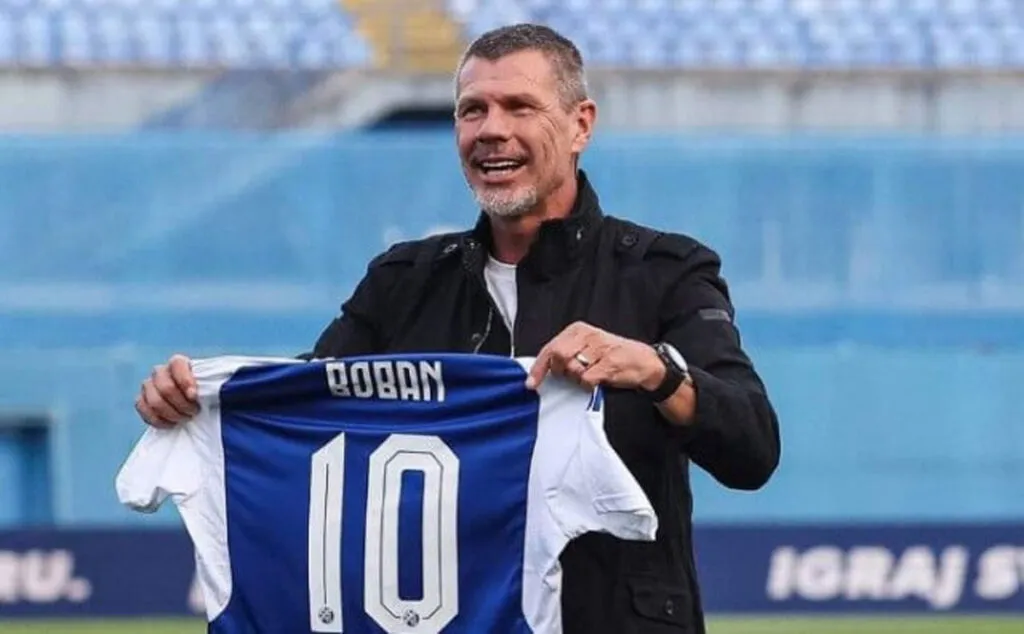 Photo: Zvonimir Boban Jr., via www.jabuka.tv
The Financial Impact of Phonetic Failures
What started as a social media moment has evolved into a legitimate business concern. According to sources within Major League Soccer's front offices, at least four high-profile transfer targets have explicitly cited broadcasting concerns when declining moves to MLS clubs in 2026.
"We lost out on a €15 million signing because the player's agent showed him a compilation of American commentators mispronouncing similar names," admits one Western Conference general manager, speaking on condition of anonymity. "It wasn't the deciding factor, but it was enough to tip the scales toward a Serie A offer that was actually lower than ours."
The financial implications extend beyond individual transfers. Shirt sales, social media engagement, and fan connection all suffer when marquee signings feel their identity is being diminished on broadcasts reaching millions of American viewers.
MLS Fights Back With Phonetic Boot Camp
Recognizing the threat to their global expansion ambitions, Major League Soccer has quietly launched the most comprehensive pronunciation training program in American sports history. The league now requires all broadcast partners to complete mandatory phonetic workshops before covering MLS matches.
"We've hired linguists, cultural consultants, and even speech therapists," explains Jennifer Walsh, MLS's Director of Media Relations. "Every commentator receives a personalized pronunciation guide for every player on every roster, updated weekly. We're treating this like the competitive advantage it has become."
The program extends beyond traditional broadcasting. Social media teams, stadium announcers, and even front office staff undergo training. LAFC has gone so far as to hire a full-time "cultural liaison" whose primary responsibility is ensuring proper pronunciation across all club communications.
The Ripple Effect Across American Soccer
U.S. Soccer has taken notice, implementing similar protocols for national team broadcasts and youth development coverage. The federation now includes "media cultural competency" as a standard component of coaching education programs.
"When young players see their heroes' names respected on television, it sends a message about how American soccer values diversity," notes Dr. Carmen Rodriguez, a sports sociology professor at UCLA who has studied the intersection of language and athletic identity. "Conversely, when names are consistently mispronounced, it reinforces the perception that American soccer isn't truly international."
The impact is already visible in youth soccer participation rates among Hispanic and international communities, where enrollment has increased 23% in markets that adopted pronunciation protocols compared to just 8% in markets that haven't.
European Clubs Take Notice
Interestingly, the American focus on pronunciation accuracy has begun influencing European broadcast standards. Premier League commentators now receive similar training, particularly for matches involving American audiences through NBC Sports partnerships.
"American clubs are setting a new standard for cultural respect," observes Thomas Mueller, a sports media consultant in Munich. "European broadcasters are realizing they need to match this level of professionalism to maintain credibility with global audiences."
The Transfer Market's New Reality
As the 2027 transfer window approaches, pronunciation competency has become an unexpected selling point for American clubs. NYCFC recently included broadcast pronunciation guarantees in their pitch to a Brazilian midfielder, while Portland Timbers hired Portuguese-speaking commentators specifically to support their recruitment of Lusophone players.
"It's no longer enough to offer good money and playing time," explains transfer specialist David Kim, who advises clubs on international recruitment. "Players want to know their identity will be respected in their new environment, and that includes something as basic as saying their name correctly."
Looking Ahead: The Pronunciation Premium
Industry experts predict that cultural competency, including pronunciation accuracy, will become a standard evaluation metric for broadcast partnerships. Clubs may soon factor media market pronunciation quality into their valuation of different leagues and destinations.
"We're witnessing the emergence of what I call the 'pronunciation premium,'" notes Santos. "Clubs that can guarantee cultural respect will have a genuine advantage in attracting international talent."
As American soccer continues its global integration, the lesson is clear: in a sport where respect and identity matter as much as salary and trophies, getting a player's name right isn't just good manners—it's good business that can make or break million-dollar transfer deals.